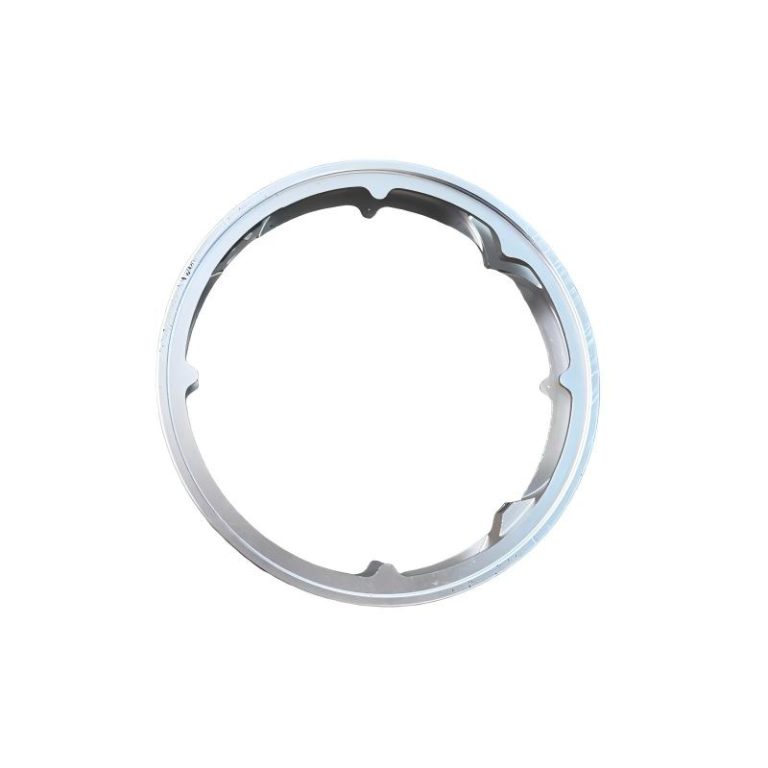
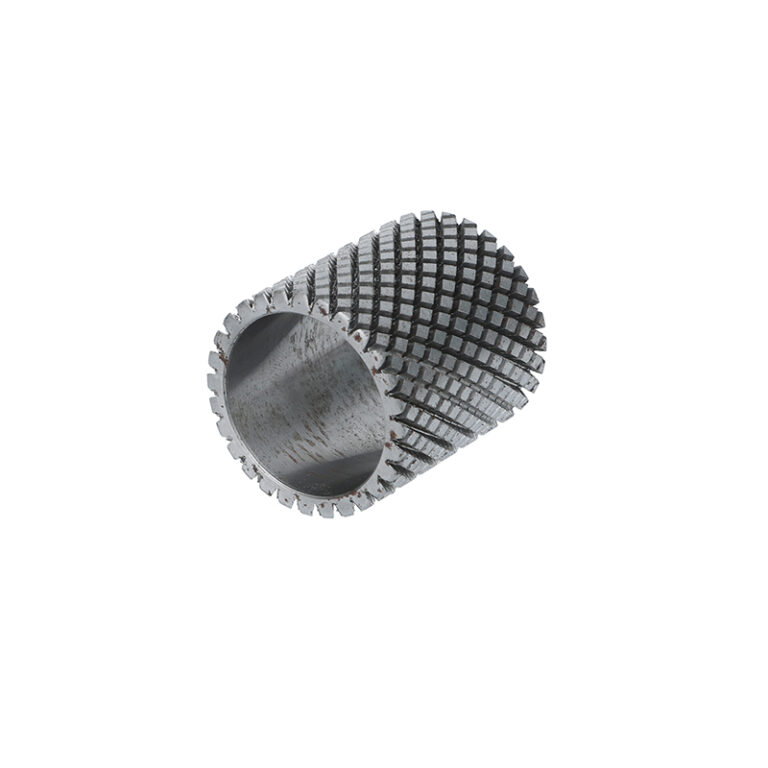
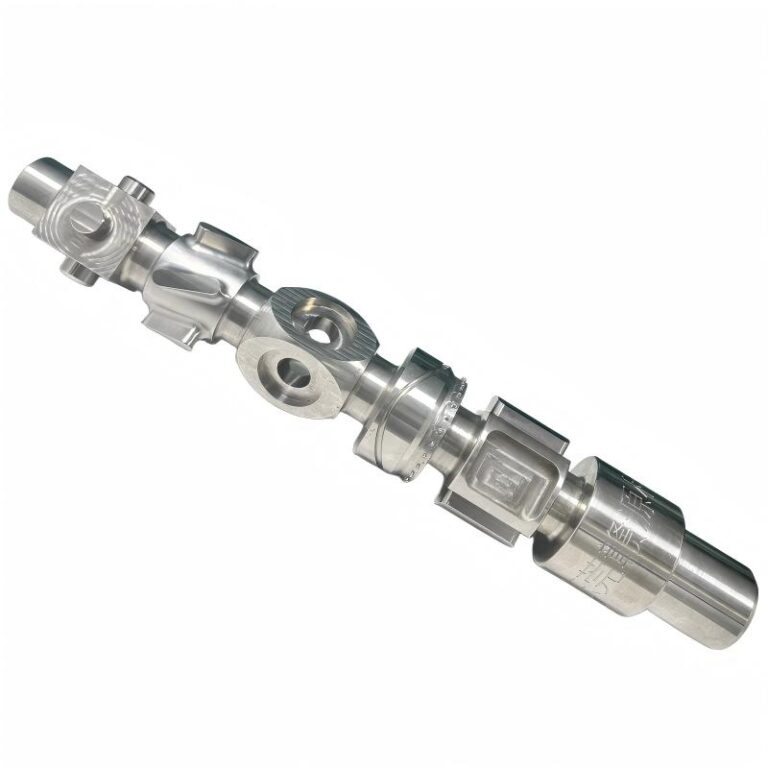
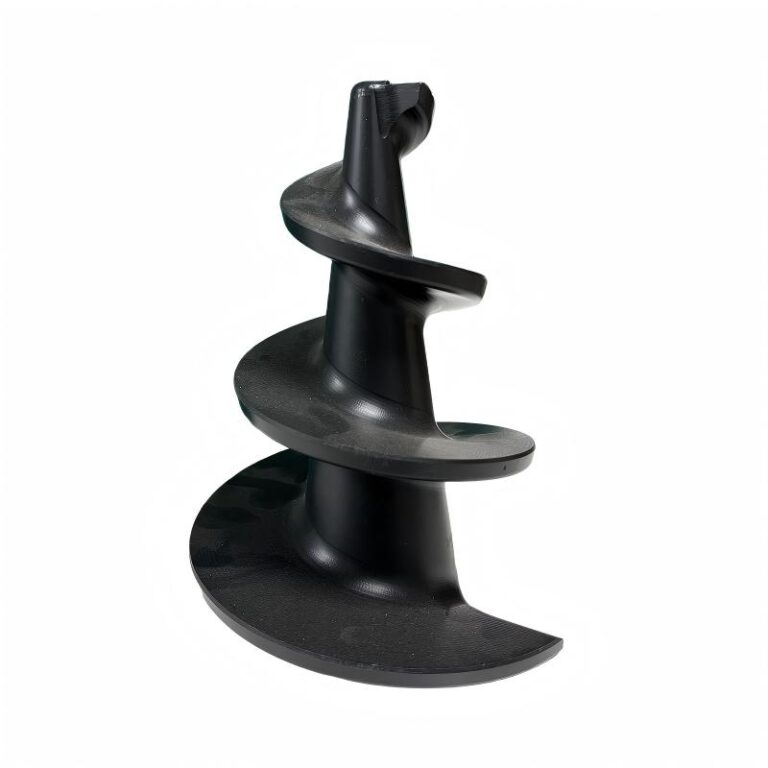
CNC machining of customized 6061 aluminum block trustworthy industrial mechanical structural parts
For machining aluminum blocks, CNC machining offers more prominent and widespread advantages and characteristics than machining stainless steel. This is mainly due to the excellent properties of aluminum itself and the high degree of compatibility with the CNC process.
What are the exceptional values that CNC machining brings to aluminum blocks?
1) Precision Manufacturing
Aluminum and its alloys, with their lightweight, high strength, excellent thermal and electrical conductivity, and corrosion resistance, have become indispensable basic materials in industries such as aerospace, automotive manufacturing, electronics, and high-end equipment. CNC machining, as a digital pioneer in modern manufacturing, combined with aluminum blocks, is unleashing unprecedented energy, transforming the material's potential into precise, complex, and reliable end products. This combination is not only a manufacturing option but also a core process path for achieving high-performance, lightweight designs, demonstrating significant advantages and distinct characteristics of our time.
2)CNC machining brings ultimate geometric freedom and design fidelity to aluminum blocks.
Aluminum's relatively soft texture and excellent machinability make it an ideal material for CNC machining. Through high-speed precision milling, turning, and drilling with multi-axis linkage, designers' complex ideas can be perfectly realized—whether it's thin-walled cavities, complex curved surfaces, fine textures, or deep holes and irregular grooves, they can all be precisely sculpted on aluminum blocks. This capability directly drives innovation in product design. The fuselage frames of drones, heat sinks with complex internal flow channels, and the aesthetically pleasing curved surfaces of electronic product casings all benefit from the geometric complexity and structural integrity achieved by CNC machining on aluminum blocks—a feat unattainable by traditional methods.
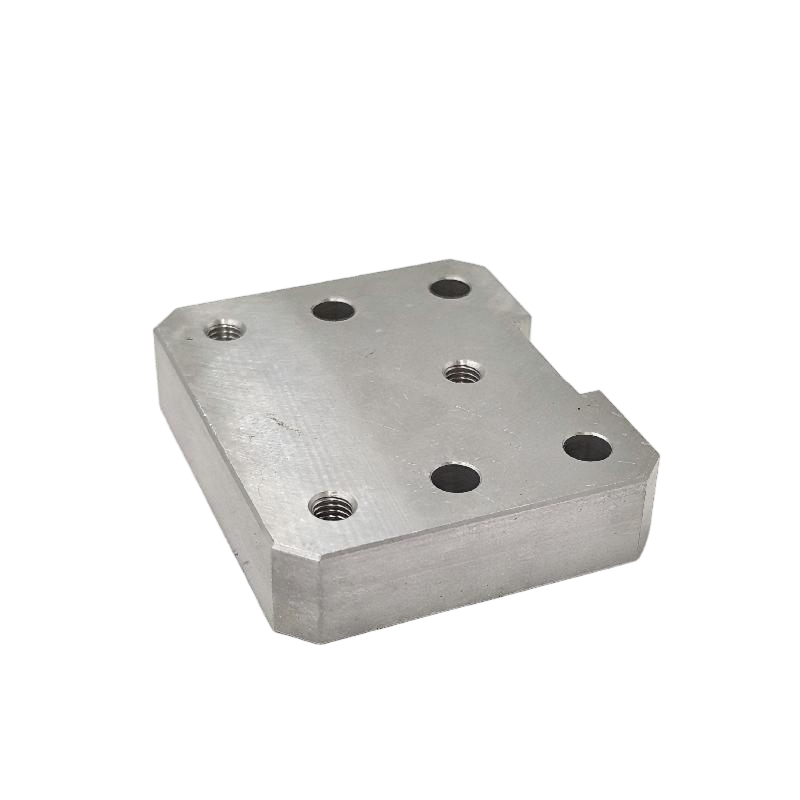
CNC machining of customized 6061 aluminum block trustworthy industrial mechanical structural parts
3)Secondly, this process achieves superior machining accuracy and excellent surface quality.
The rigid structure and digital control of CNC machine tools ensure micron-level repeatability and dimensional stability, crucial for aluminum parts requiring stringent fits and high reliability, such as optical equipment brackets, precision instrument bases, and engine components. Simultaneously, by optimizing cutting parameters, paths, and cooling strategies, CNC machining effectively avoids burrs and other defects common in aluminum, directly achieving a smooth surface and reducing subsequent polishing processes. This not only improves efficiency but also maintains the consistency of the material's surface mechanical properties, laying a perfect foundation for subsequent surface treatments such as anodizing and sandblasting.
CNC machining offers significant advantages in efficiency and flexible production, perfectly meeting the needs of modern industry. For aluminum block machining, once the program is debugged, long-term, stable, and efficient automated production can be achieved, making it particularly suitable for manufacturing high-quality parts in small to medium batches. Compared to casting or forging, which require high mold costs and long preparation cycles, CNC machining eliminates the need for dedicated molds. Production of different designs can be quickly switched simply by modifying the program.
This flexibility significantly shortens product development cycles and accelerates iterative innovation. In fields such as automotive prototype manufacturing and customized electronic product development, this feature enables lightning-fast conversion from design to physical product.
4)CNC machining optimizes and enhances the overall performance of aluminum parts.
CNC machining is a subtractive manufacturing process. By precisely removing excess material, it allows for accurate control of part wall thickness, rib layout, and weight distribution, achieving extreme lightweighting while ensuring sufficient strength—crucial for weight reduction and energy efficiency improvement in aerospace and new energy vehicles. Furthermore, precise machining ensures optimal thickness and spacing for aluminum heat sink fins, maximizing heat dissipation area; it also enables the machining of high-precision sealing surfaces and assembly interfaces, ensuring the system's airtightness or liquid tightness.
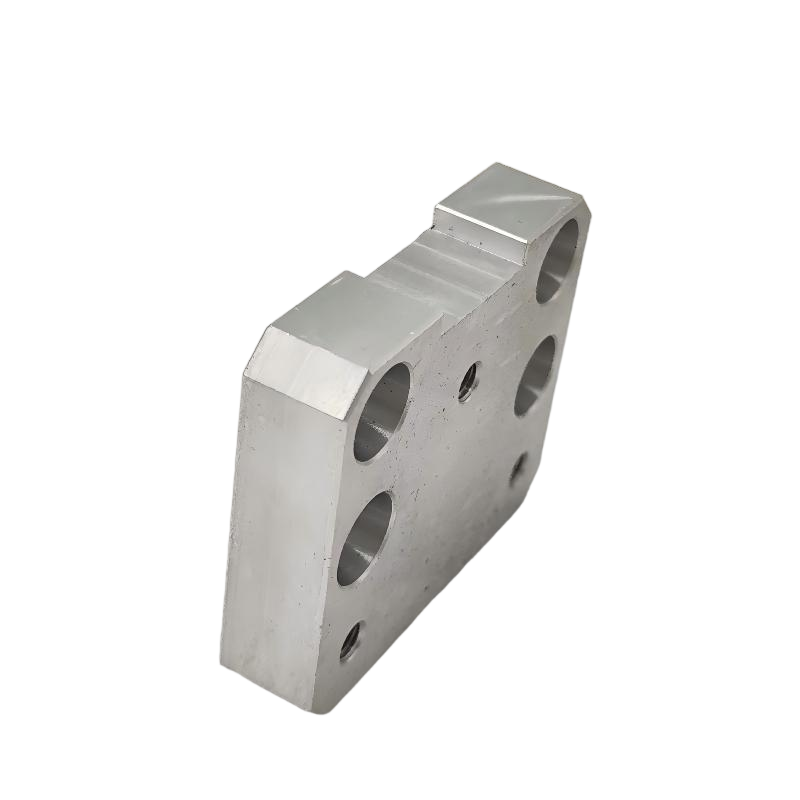
5)CNC machining promotes the intelligent utilization of materials and sustainable manufacturing.
Advanced CAM software can optimize toolpaths and layout, maximizing the utilization of aluminum blocks and reducing waste. Aluminum shavings are valuable and easily recyclable; combined with efficient processing, the entire production process aligns better with the resource-saving and green manufacturing philosophy. Furthermore, the digital nature of CNC combined with the excellent properties of aluminum provides a reliable guarantee for the manufacturing of key structural components for smart hardware such as IoT devices and robot joints.
The combination of CNC machining technology and aluminum block material maximizes the lightweight, strong, tough, and easy-to-process properties of aluminum, breaking through the limitations of traditional manufacturing designs and achieving a perfect balance of precision, efficiency, complexity, and performance.
We are a manufacturer integrating industry and trade. We have more than 20 years of experience in production technology. We are located in Dongguan City, Guangdong Province, China. We have advanced high-end professional production and processing technology, and are committed to innovative R&D and production. After years of market tempering and exploration, it has high-quality technical management personnel, experienced designers, R&D personnel and a perfect company management system.
5-axis CNC workshop
Our factory has a plant area of about 2,000 square meters and masters core processing technologies. It has high-end precision production equipment: CNC lathes, 5-axis CNC, 4-axis CNC, stamping equipment, die-casting equipment, etc.

Auxiliary production equipment: electroplating, anodizing, hard anodizing and surface treatment. We have complete testing equipment: sophisticated three-dimensional testing, two-dimensional testing, hardness tester, height meter, projector and other conventional testing equipment. If you are interested in our products, please contact me and I will provide the best price support and quality service.
2D inspection equipment