
» Five-axis CNC machining » High-quality aluminum parts CNC precision machining general industrial parts
High-quality aluminum parts CNC precision machining general industrial parts
enquiry- Specifications
High-quality aluminum parts CNC precision machining general industrial partsWrought Aluminum Alloys
The performance and application of aluminum parts hinge on their alloy composition and heat treatment state, which determine the material's mechanical properties, machinability, and applicable scenarios. Based on the main alloying elements and processing methods, aluminum parts are generally classified into two main categories: wrought aluminum alloys and cast aluminum alloys.
What are wrought aluminum alloys?
These alloys are manufactured into profiles, sheets, or tubes through plastic processing methods such as rolling, extrusion, and forging. They are the most widely used raw materials for aluminum fittings. The main types include pure aluminum, aluminum-magnesium-silicon alloys, and aluminum-zinc alloys.
1.What are the characteristics of pure aluminum?
Pure aluminum: Aluminum content ≥99.00%, excellent electrical and thermal conductivity, corrosion resistance, and good formability, but lower strength.
Where is pure aluminum commonly used?
Commonly used in conductive components, heat exchangers, and decorative parts.
2.What are the characteristics of aluminum-magnesium-silicon alloys?
Aluminum-magnesium-silicon alloys: With magnesium and silicon as the main alloying elements, they can be strengthened through heat treatment, possessing good strength, formability, weldability, and corrosion resistance, with a balanced overall performance. They are the most important material for extruded profiles.
Where are aluminum-magnesium-silicon alloys used?
Commonly used in automotive frames and electronic housings.
3.What are the characteristics of aluminum-zinc alloys?
Aluminum-Zinc Alloys: With zinc as the main alloying element, often supplemented with magnesium and copper, these alloys can achieve extremely high strength through heat treatment, belonging to the category of super-hard aluminum.
Where are aluminum-zinc alloys used?
Commonly used in aerospace frames, sporting goods, and molds where extremely high strength is required.
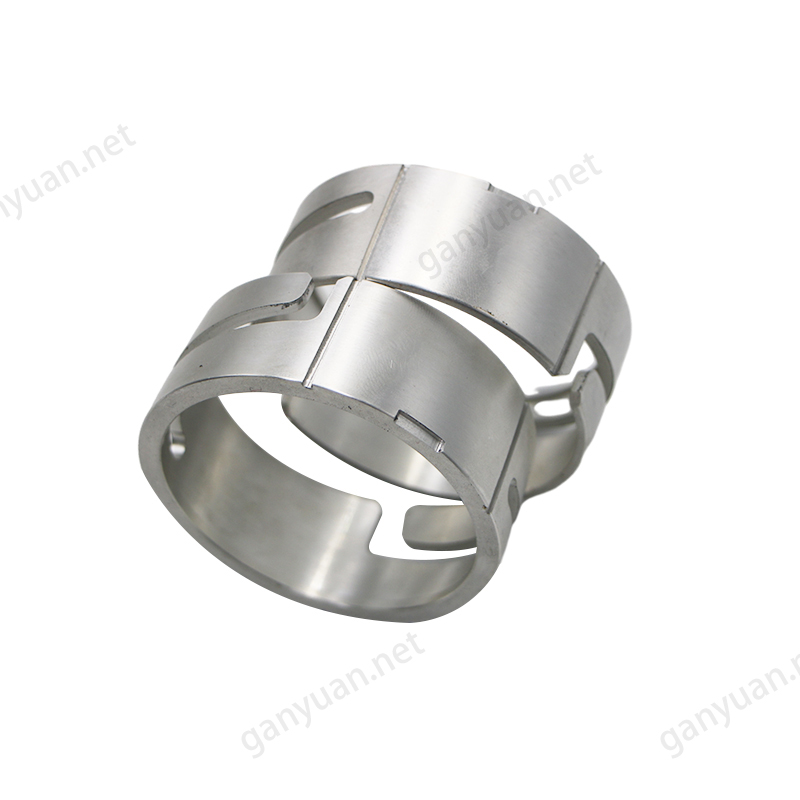
High-quality aluminum partsCNC precision machining, general industrial parts
II. Cast Aluminum Alloys
What are cast aluminum alloys?
These alloys are formed by directly pouring molten aluminum into molds, suitable for manufacturing complex-shaped parts. They mainly include aluminum-silicon, aluminum-copper, and aluminum-magnesium alloys.
1.What are the characteristics of aluminum-silicon alloys?
Aluminum-Silicon: The most common casting alloy, possessing good casting fluidity and moderate mechanical properties.
Where are aluminum-silicon alloys commonly used?
Used in engine blocks, housings, motor end covers, and other complex-shaped parts requiring airtightness.
2. What are the characteristics of aluminum-copper alloys?
Aluminum-copper alloys: Possess high high-temperature strength and machinability, but poor castability and corrosion resistance.
Where are aluminum-copper alloys commonly used?
Used for castings requiring high strength and heat resistance.
3. What are the characteristics of aluminum-magnesium alloys?
Aluminum-magnesium alloys: They possess excellent corrosion resistance and high strength, but their casting process is relatively complex.
Where are aluminum-magnesium alloys commonly used?
Commonly used in marine fittings, aerospace castings, and decorative parts.
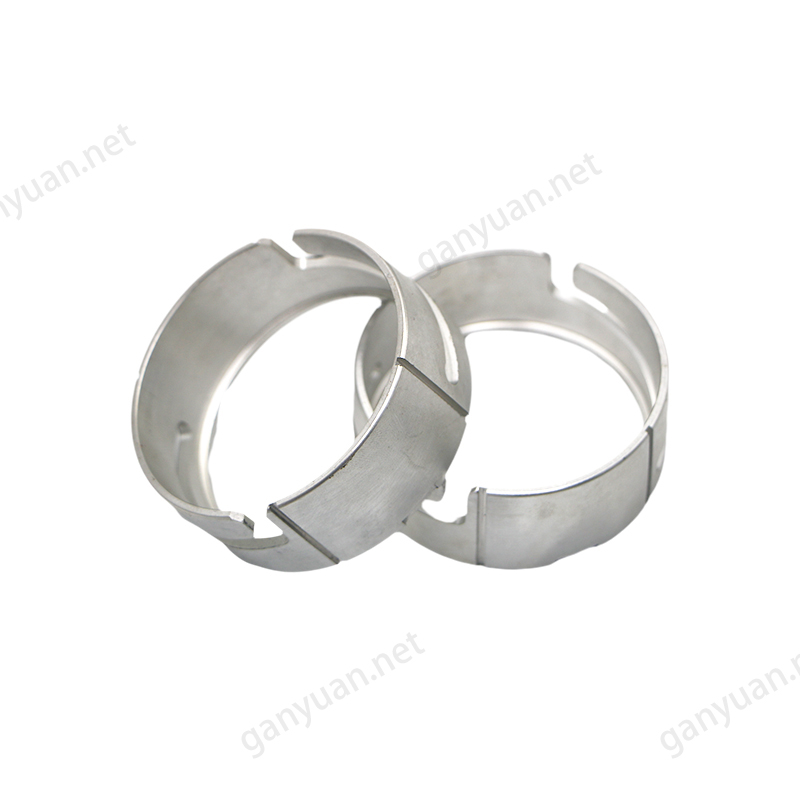
When selecting materials for aluminum components, factors such as strength requirements, corrosion resistance, forming process, cost, and subsequent surface treatment must be comprehensively considered. We will select appropriate materials and processing techniques based on customer requirements.
Company Profile
We are a manufacturer integrating industry and trade. We have more than 20 years of experience in production technology. We are located in Dongguan City, Guangdong Province, China. We have advanced high-end professional production and processing technology, and are committed to innovative R&D and production. After years of market tempering and exploration, it has high-quality technical management personnel, experienced designers, R&D personnel and a perfect company management system.
5-axis CNC workshop
Our factory has a plant area of about 2,000 square meters and masters core processing technologies. It has high-end precision production equipment: CNC lathes, 5-axis CNC, 4-axis CNC, stamping equipment, die-casting equipment, etc.

Auxiliary production equipment: electroplating, anodizing, hard anodizing and surface treatment. We have complete testing equipment: sophisticated three-dimensional testing, two-dimensional testing, hardness tester, height meter, projector and other conventional testing equipment. If you are interested in our products, please contact me and I will provide the best price support and quality service.
2D inspection equipment
Enquiry Form
Maybe you like also
©2022 | ganyuan.net
Service