
» Five-axis CNC machining » Trustworthy hardware parts 5-axis CNC machining electronic equipment replacement parts
Trustworthy hardware parts 5-axis CNC machining electronic equipment replacement parts
enquiry- Specifications
Trustworthy hardware parts 5-axis CNC machining electronic equipment replacement parts
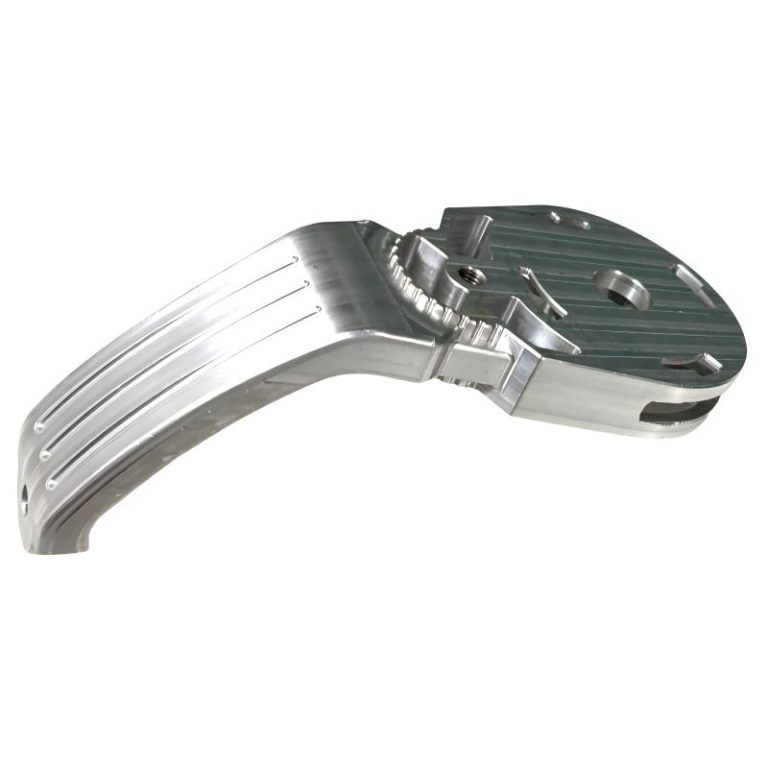
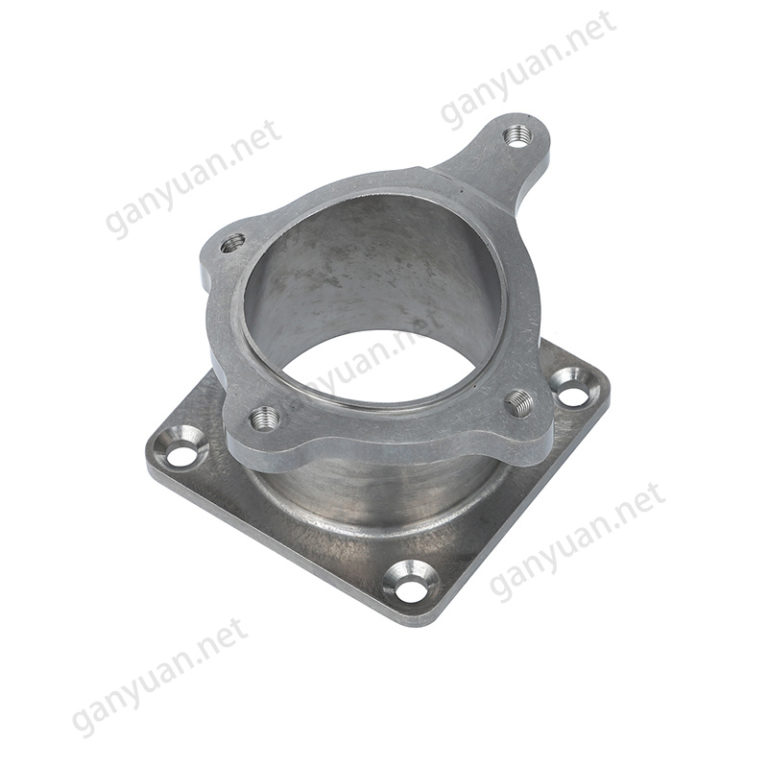
Faced with modern demands for diverse materials, increasing geometric complexity, and near-limit precision requirements, traditional processes like stamping and casting are no longer sufficient. CNC machining, with its core manufacturing capabilities of digitalization, high precision, and extreme flexibility, is profoundly reshaping the design, production, and value paradigm of hardware components, endowing them with precision, functional integration, and quality consistency unattainable by traditional methods.
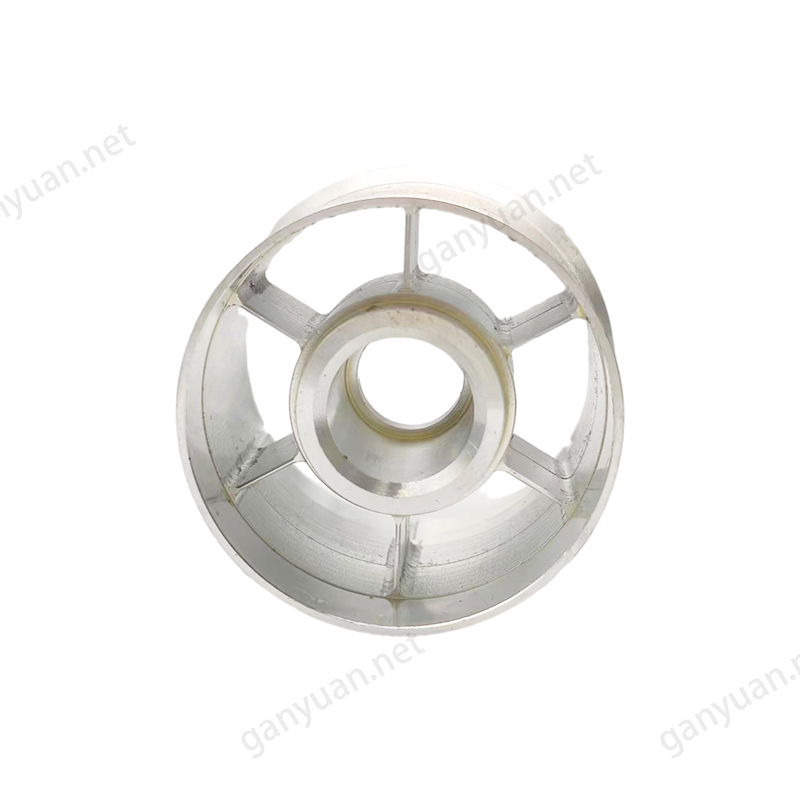
Precision hardware parts 5-axis CNC machining electronic equipment replacement parts
I. Achieving Ultra-Precision Machining and Performance Optimization Across Material Families
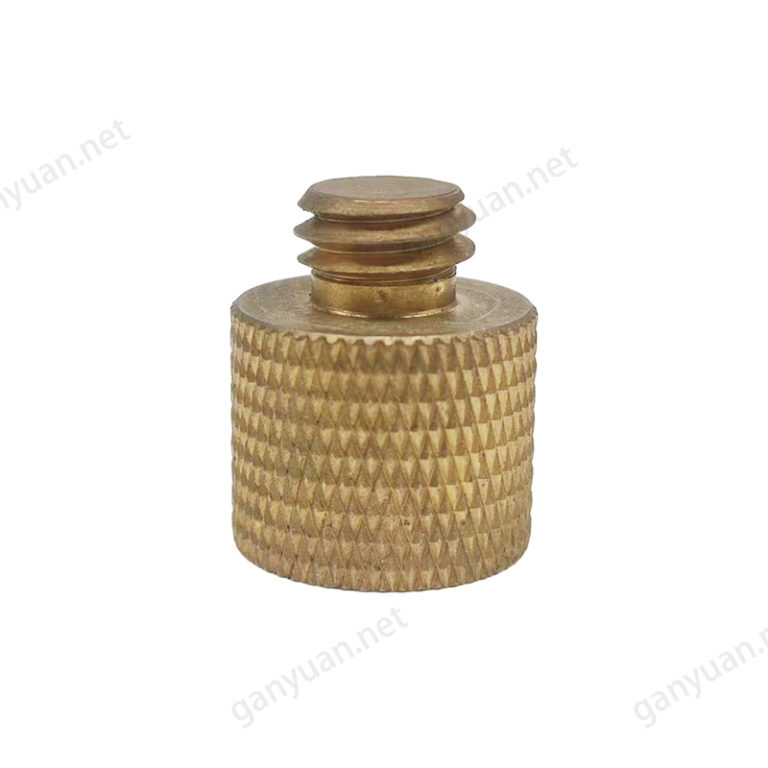
1. Vast Differences in Hardware Material Properties: Stainless steel is strong and tough but prone to work hardening; brass has good conductivity but is prone to tool sticking; aluminum alloys are lightweight but sensitive to deformation; hardened steel is wear-resistant but difficult to cut.
2. Intelligent Process Parameter Adaptation: CNC technology, through an advanced CAM system, establishes and executes the optimal "digital cutting recipe" for each material. This includes precise control of spindle speed, feed rate, depth of cut, toolpath, and cooling strategy.
3. Ensuring Excellent Dimensional Stability and Batch Consistency: Regardless of material variations, CNC's digital closed-loop control ensures exceptional stability and repeatability in the machining process. This allows the critical mating dimensions of mass-produced hardware parts to remain stable at the micrometer level (±0.005mm to ±0.02mm) over a long period, providing a fundamental guarantee for the reliability and interchangeability of modern automated assembly lines and high-end products.
II. Unlocking Complex Integrated Structures and Micro-Feature Forming
1. Integrated Manufacturing of Complex Internal and External Structures: Whether it's an intelligent lock cylinder containing multiple springs, locking mechanisms, and spring cavities, or a hydraulic valve block with intricate flow channels and stringent sealing requirements, CNC multi-axis machining centers can machine the outer shell, complex internal chambers, moving part mounting surfaces, and fluid channels as a single piece of solid metal blank through one or very few clamping operations.
This completely eliminates the cumulative errors, leakage risks, and connection weaknesses inherent in multi-part assembly, significantly improving the overall rigidity, functional reliability, and lifespan of the product.
2) Capability to Achieve Micro-Precision Features: For ultra-precision hardware components in the watchmaking and microelectronics industries, CNC micro-machining technology, combined with ultra-high-speed spindles and micro-diameter cutting tools, can achieve sub-millimeter-level precision forming of features, with an accuracy of up to 0.001mm. This is an area that traditional processes cannot reach.
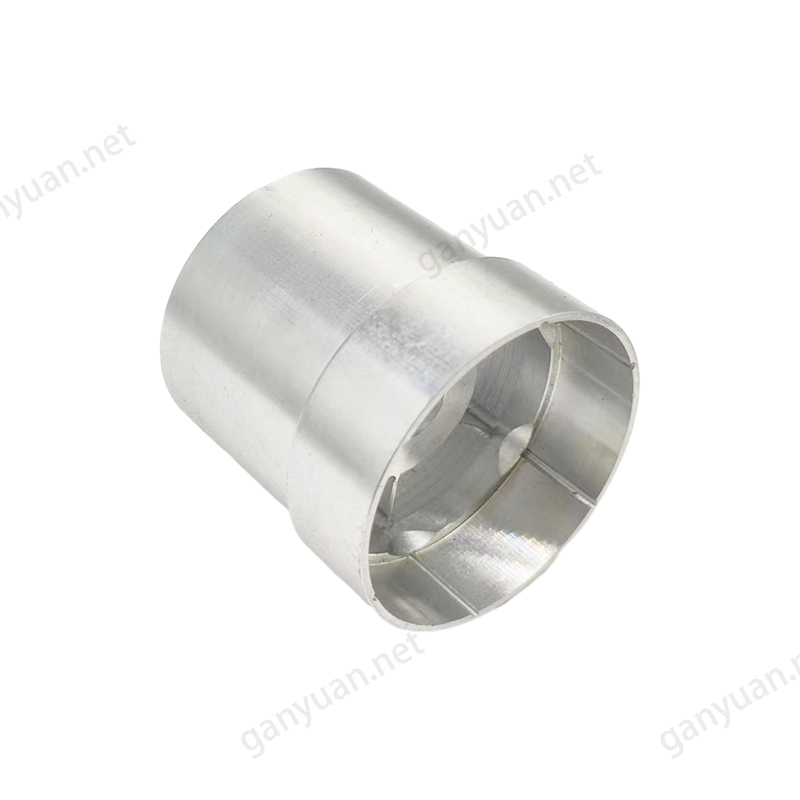
III. Creating High-Performance Functional Surfaces and hardware parts
1) Direct Precision Machining of Functional Surfaces: CNC can directly machine various functional surfaces onto workpieces without secondary processing. For example, achieving mirror-level finish (Ra 0.2μm) and ultra-high flatness on valve sealing surfaces to achieve zero leakage; milling ergonomic anti-slip textures on tool handles; and machining oil-retaining micro-pits on sliding parts to reduce friction.
2) Providing a Perfect Substrate for Advanced Surface Engineering: The dimensionally precise, clean, and uniform substrate surface obtained by CNC machining is an ideal starting point for subsequent advanced surface treatments such as hard anodizing and laser texturing. These treatments endow hardware components with ultra-high hardness, excellent wear and corrosion resistance, specific coefficients of friction, or aesthetic decorative effects, thereby expanding their application boundaries and service life.
IV. Empowering Agile Manufacturing and Fully Digital Quality Traceability
1) Mold-Free Agile Response and Rapid Innovation: Unlike traditional processes that rely on expensive and time-consuming specialized molds, CNC machining can convert hardware components with completely different designs simply by changing the digital program. This exponentially reduces the cycle time and cost of product design verification, customer-customized orders, and small-batch production of special parts, greatly accelerating product innovation and market response speed.
2) End-to-End Digital Traceability: From 3D design models to G-code, and every key parameter in the manufacturing process, everything is fully recorded. Combined with material traceability, this fully meets the stringent requirements of industries such as automotive, aerospace, and others for full lifecycle quality traceability of key hardware components.
We are a manufacturer integrating industry and trade. We have more than 20 years of experience in production technology. We are located in Dongguan City, Guangdong Province, China. We have advanced high-end professional production and processing technology, and are committed to innovative R&D and production. After years of market tempering and exploration, it has high-quality technical management personnel, experienced designers, R&D personnel and a perfect company management system cnc precision.
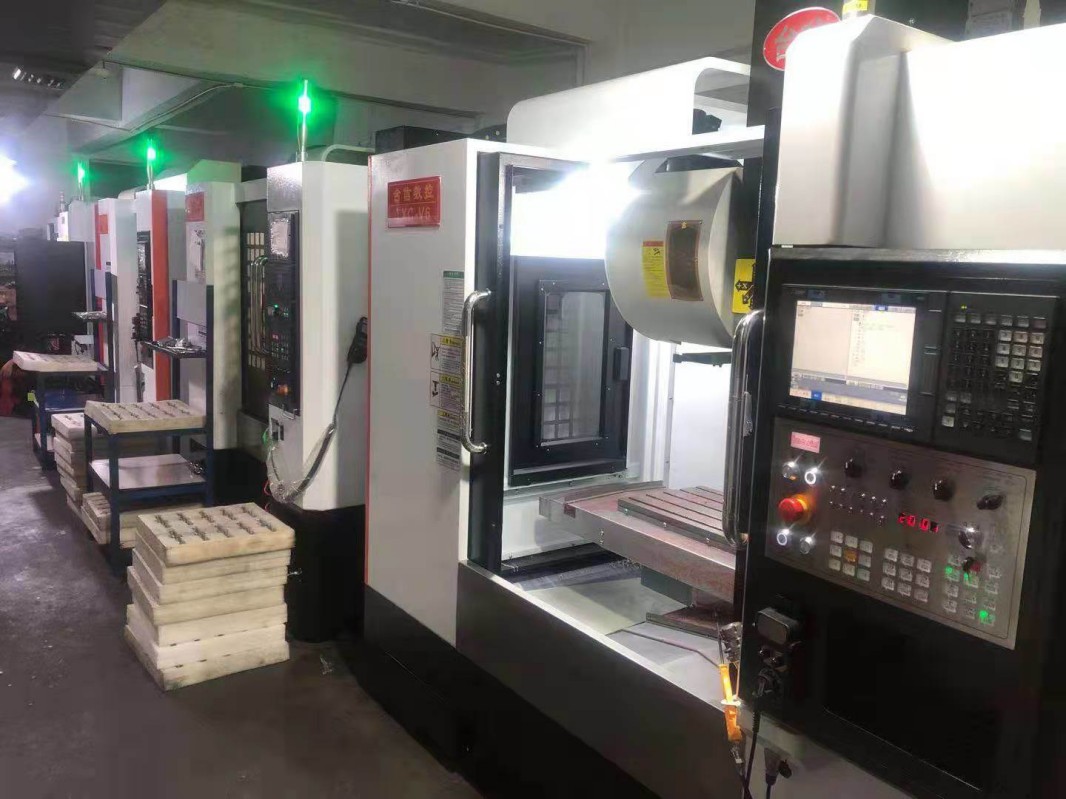
5-axis CNC workshop
Our factory has a plant area of about 2,000 square meters and masters core processing technologies. It has high-end precision production equipment cnc precision: CNC lathes, 5-axis CNC, 4-axis CNC, stamping equipment, die-casting equipment, etc. 2.5-dimensional detection equipment

cnc precision surface treatment
For surface treatment, our suppliers have been working with us for many years. They have rich experience and are familiar with all the quality requirements of each other. The quality is stable and more guaranteed. Such as: heat treatment, spray painting, powder coating, blackening, silver/gold plating, electrolytic polishing, nitriding, phosphating, nickel/zinc/chromium/TiCN plating, anodizing, polishing, passivation, sandblasting, galvanizing, heat treatment , hardening, laser marking, etc. according to customer requirements. Aluminum alloy surface oxidation
Product Packaging
Packaging Details
- Commercial packaging: 1pc/plastic bag + color box +carton + pallet;
- Industrial packaging: (1). plastic tube + carton + pallet; (2). plastic bag + kraft paper + carton + pallet;
- According to the requirement of customer.
Enquiry Form
Maybe you like also
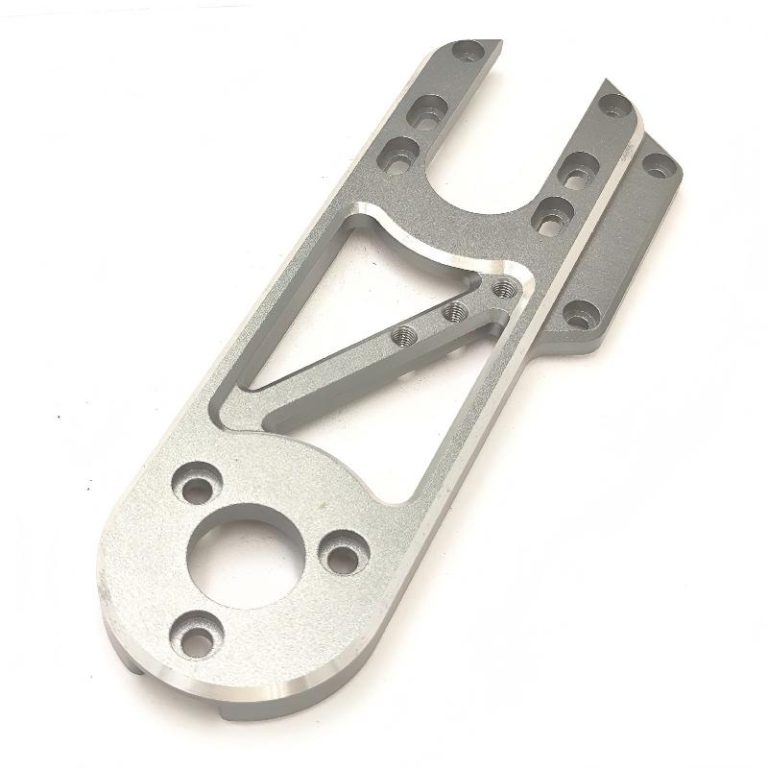
©2022 | ganyuan.net
Service