
» Five-axis CNC machining » 5-axis CNC manufacturing of trustworthy aluminum mechanical parts and general precision parts
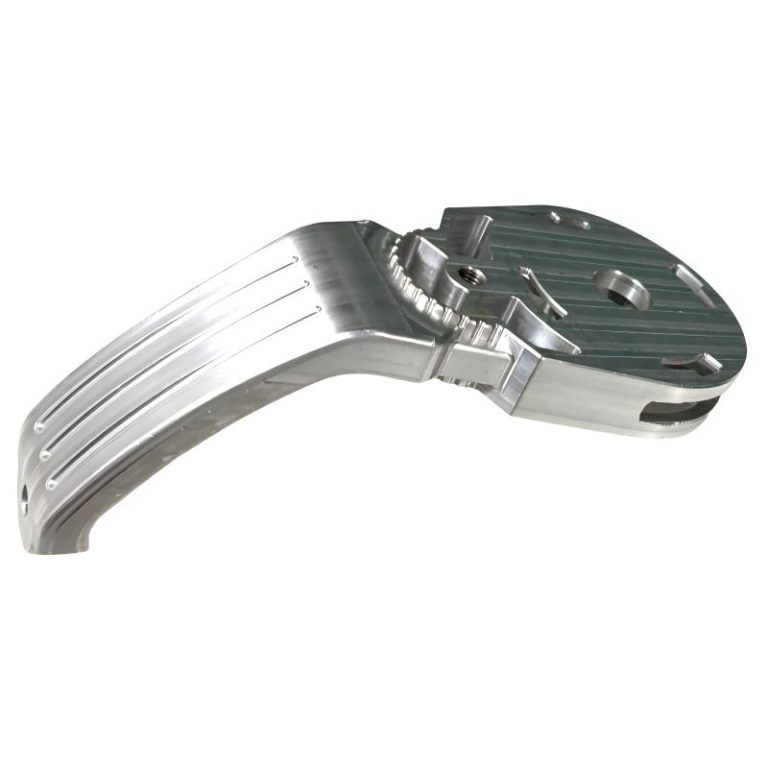
5-axis CNC manufacturing of trustworthy aluminum mechanical parts and general precision parts
enquiry- Specifications
5-axis CNC manufacturing of trustworthy aluminum mechanical parts and general precision parts
In the field of modern mechanical manufacturing, aluminum and aluminum alloys, with their unique material properties—excellent specific strength, good thermal and electrical conductivity, outstanding corrosion resistance, and superior machinability—have become the ideal choice for manufacturing precision mechanical parts. From key transmission components in automated equipment to precision structural parts in high-end instruments, the performance of aluminum mechanical parts directly affects the accuracy, efficiency, and reliability of the entire machine. Computer Numerical Control (CNC) machining, as an outstanding representative of digital manufacturing technology, is profoundly reshaping the manufacturing paradigm of aluminum mechanical parts with its unparalleled processing advantages, giving traditional mechanical parts new vitality.
How does CNC technology reshape the manufacturing of aluminum mechanical parts?
I. The Perfect Realization of Ultimate Precision and Complex Geometry
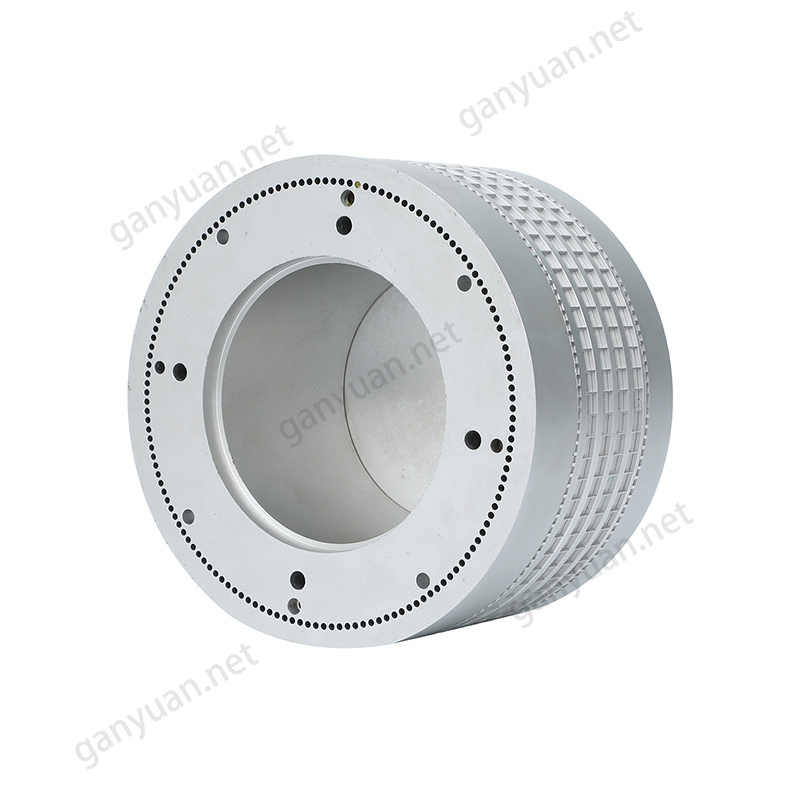
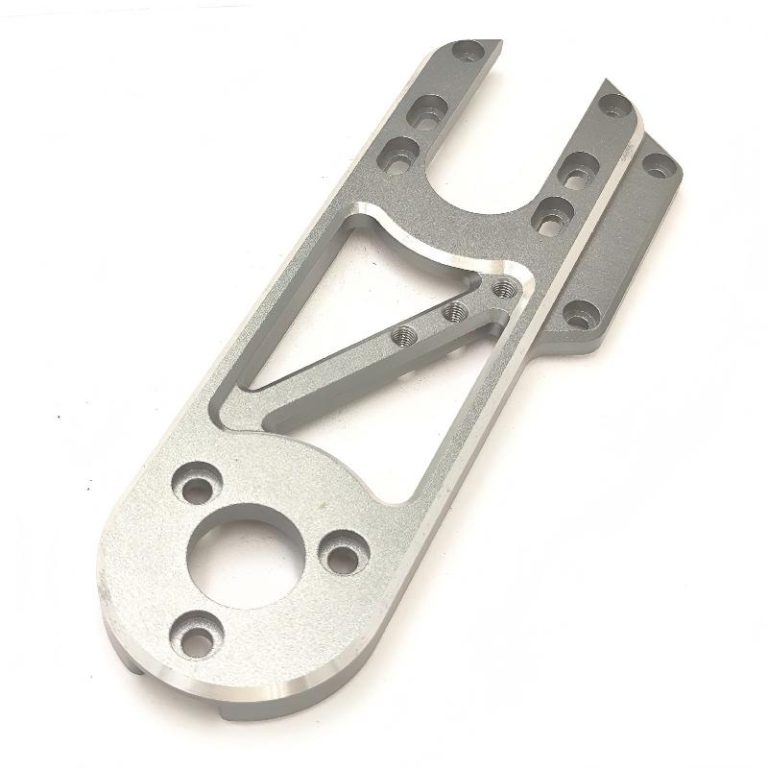
The most significant advantage of CNC machining lies in its precise control over complex geometric shapes. Aluminum mechanical parts often require both structural strength and functional integration; traditional machining methods struggle to simultaneously guarantee the accuracy of complex surfaces and the integrity of internal structures. Through multi-axis CNC machining centers, the designer's digital model can be directly converted into precise toolpaths, achieving precise cutting of any three-dimensional contour on aluminum. This capability not only enables the one-time forming of complex contours but also ensures the geometric accuracy of key mating surfaces, laying a solid foundation for the precision assembly and smooth operation of mechanical systems.
II. Superior Dimensional Consistency and Batch Stability
The reliability of mechanical systems largely depends on the interchangeability and consistency of their components. While aluminum is easily machinable, it is still susceptible to factors such as tool wear and thermal deformation in traditional machining. CNC machining, through fully digital process control, ensures precise execution of parameters for each process. From the first piece to the final piece, from the first batch to the thousandth batch, the critical dimensions of all aluminum parts remain within micron-level tolerances.
III. Highly Flexible Production Response Capability
Modern manufacturing faces increasing demands for customization and small-batch production. Aluminum mechanical parts are diverse in type and specifications, and traditional dedicated mold manufacturing methods are no longer sufficient to adapt to the rapidly changing market. The moldless nature of CNC machining provides superior production flexibility—simply changing the digital program and simple fixtures allows the same machine to switch between producing aluminum parts of different designs in a short time.
IV. Optimized Material Properties and Surface Quality
CNC machining not only precisely controls external dimensions but also optimizes the internal microstructure of aluminum through precise cutting parameters. Optimal toolpaths and cooling strategies effectively control work hardening and residual stress, maintaining optimal material mechanical properties. Simultaneously, through precise tool selection and path planning, various surface finishes, ranging from functional textures to mirror effects, can be directly achieved on aluminum components.
V. Ultimate Balance Between Lightweight Design and Structural Efficiency
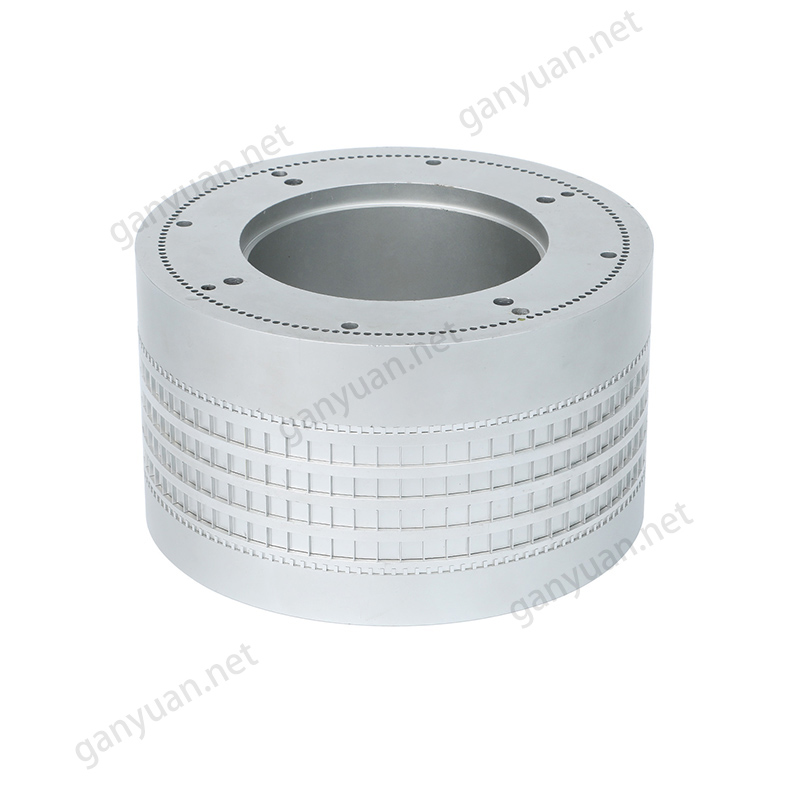
As a subtractive manufacturing process, CNC machining essentially removes excess material. Through topology optimization algorithms and finite element analysis, designers can determine the optimal material distribution. CNC equipment then precisely removes aluminum from non-load-bearing areas, creating integrated lightweight components with complex internal ribs and thin-walled structures. This method achieves structural efficiency unattainable by traditional casting or welding processes, significantly optimizing weight while maintaining or even improving strength.
VI. Sustainable Manufacturing and Efficient Resource Utilization
The digital nature of CNC machining gives it a natural advantage in resource utilization. Intelligent nesting algorithms maximize the utilization rate of raw materials such as aluminum plates and rods; precise machining reduces subsequent trimming and rework; and the high-value recyclability of aluminum scrap aligns the entire production process with the principles of a circular economy. Against the backdrop of green transformation in manufacturing, CNC machining provides an environmentally friendly and cost-effective option for the manufacture of aluminum mechanical parts.
The deep integration of CNC machining technology with aluminum mechanical parts represents an inevitable trend in the development of precision manufacturing technology. It not only solves the precision bottleneck of traditional machining but also opens up new dimensions for mechanical part design. In high-end manufacturing fields such as industrial automation, precision instruments, and new energy vehicles, every CNC-machined aluminum mechanical part, with its irreplaceable precision, reliability, and functionality, supports the evolution of modern mechanical systems towards higher efficiency and superior performance.
Company Profile
We are a manufacturer integrating industry and trade. We have more than 20 years of experience in production technology. We are located in Dongguan City, Guangdong Province, China. We have advanced high-end professional production and processing technology, and are committed to innovative R&D and production. After years of market tempering and exploration, it has high-quality technical management personnel, experienced designers, R&D personnel and a perfect company management system.
5-axis CNC workshop
Our factory has a plant area of about 2,000 square meters and masters core processing technologies. It has high-end precision production equipment: CNC lathes, 5-axis CNC, 4-axis CNC, stamping equipment, die-casting equipment, etc.
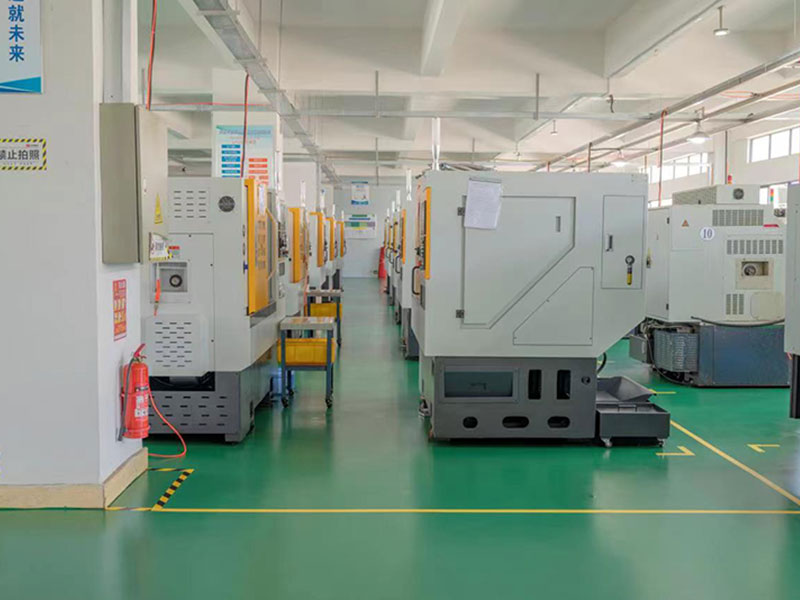
Auxiliary production equipment: electroplating, anodizing, hard anodizing and surface treatment. We have complete testing equipment: sophisticated three-dimensional testing, two-dimensional testing, hardness tester, height meter, projector and other conventional testing equipment. If you are interested in our products, please contact me and I will provide the best price support and quality service.
2D inspection equipment
Enquiry Form
Maybe you like also
©2022 | ganyuan.net
Service