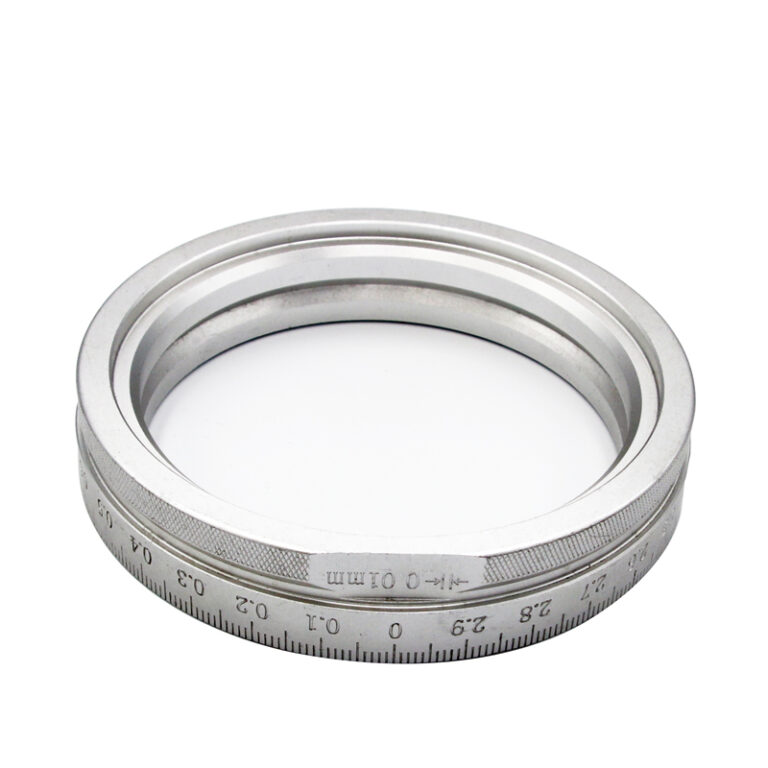
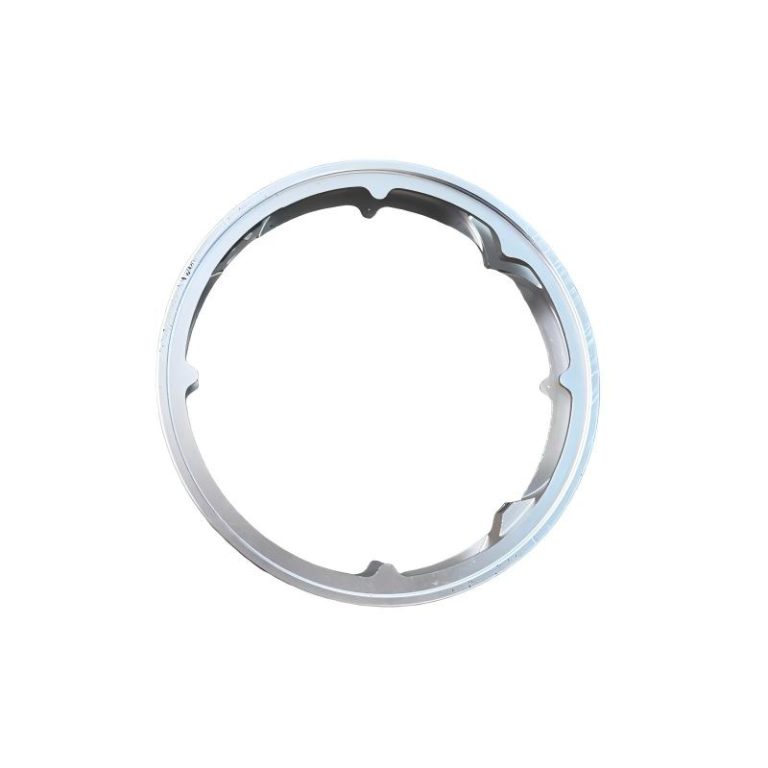
I. Core Features of CNC-machined Threaded Bushings
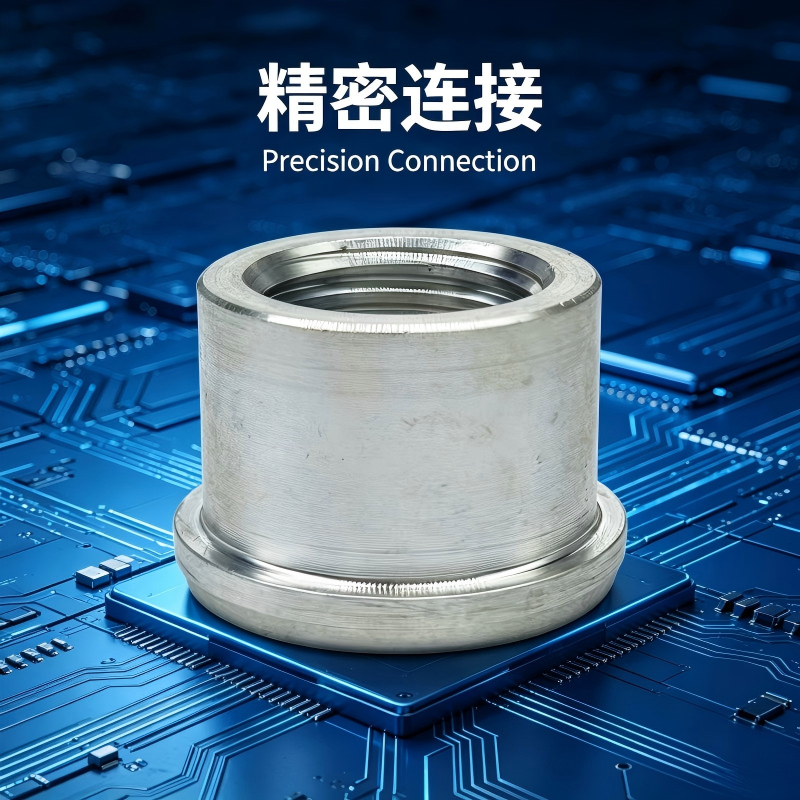
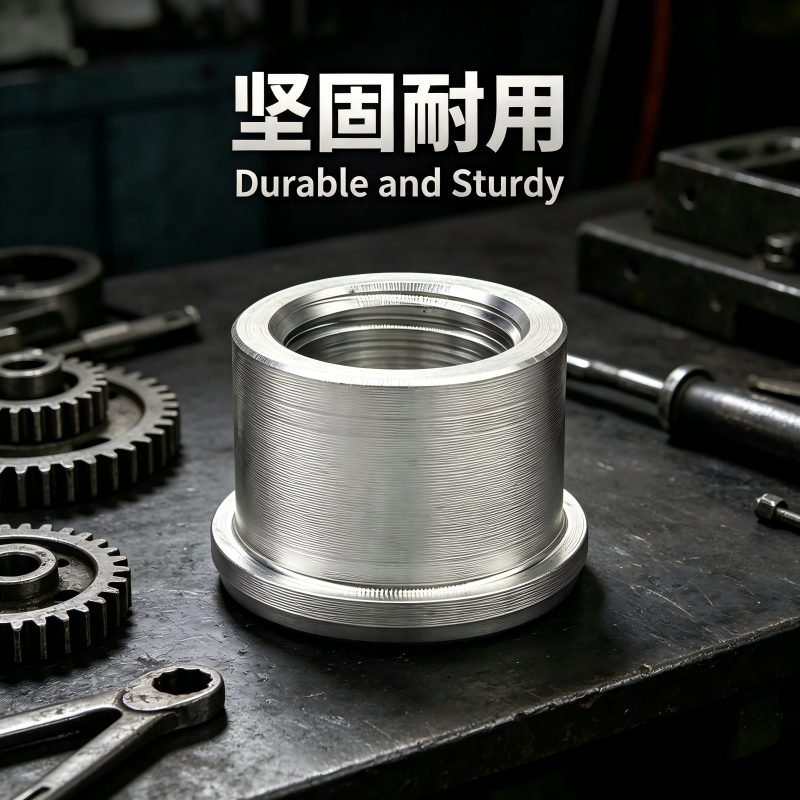
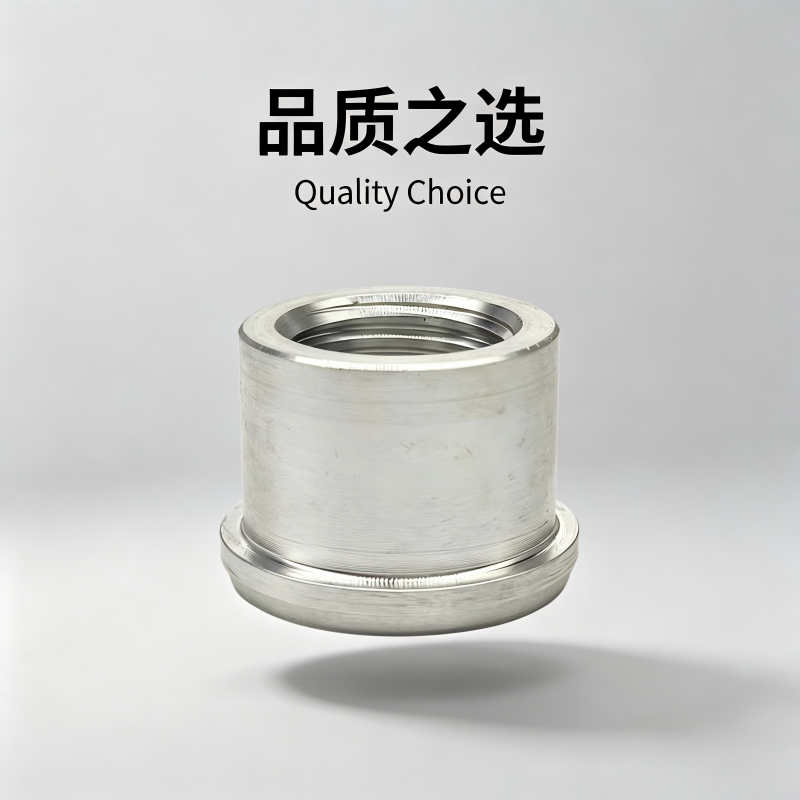
As key connecting components in industrial equipment, threaded bushings benefit from CNC machining, offering irreplaceable performance advantages. Firstly, high-precision thread forming: relying on precision CNC lathes, thread profile, pitch, and pitch diameter tolerances can be accurately controlled, ensuring 100% pass rate for thread gauges and eliminating issues such as stripped threads, misaligned threads, and excessively loose/tight fits, guaranteeing connection stability and sealing.
Secondly, integrated structure: Multiple machining processes, including outer diameter, flange steps, internal threads, and end faces, can be completed in a single clamping setup. Coaxiality, perpendicularity, and parallelism can all reach the micron level. There are no splices or welds, resulting in higher overall structural strength and excellent impact and fatigue resistance.
Furthermore, wide material compatibility: It can process various industrial materials such as aluminum alloys, stainless steel, carbon steel, and brass. It also supports surface treatments such as anodizing, galvanizing, and nickel plating, catering to different performance requirements such as lightweighting, rust prevention, and wear resistance, perfectly adapting to various complex working conditions.
II. Typical Application Scenarios of Threaded Bushings
Threaded bushings, with their core functions of connection, positioning, and transition, are widely used in various industrial fields. In the field of automation equipment, they are often used as connecting transition parts for motors, cylinders, and guide rails, achieving precise docking of components with different shaft diameters and ensuring the coaxiality of equipment transmission. In fluid pipeline systems, stainless steel threaded bushings can be used as pipe adapters to connect pipelines of different specifications, while possessing good sealing performance and corrosion resistance.
In the field of tooling and fixtures, non-standard customized threaded bushings can be used as positioning bushings to fix workpieces and provide threaded connection interfaces, improving the versatility and adaptability of fixtures. In robots and intelligent equipment, lightweight aluminum alloy threaded bushings are used for joint connections and component transitions, reducing equipment load and improving motion flexibility while ensuring strength.
III. Practical Application Cases of Threaded Bushings
Case 1: Connection Optimization of Automated Production Line Equipment
In the automated production line of an electronic equipment manufacturing company, the connection between the motor and the drive shaft frequently experienced eccentricity and slippage of threads, leading to equipment malfunctions and a decrease in product yield. By using custom-machined CNC stainless steel threaded bushings, high-precision coaxiality control of the internal thread and external diameter was achieved, enabling a gapless connection between the motor shaft and the transmission shaft. A thickened flange design further enhanced installation stability. After the modification, the equipment operated without eccentricity or loosening, reducing downtime by 60% and doubling its service life.
Case 2: Corrosion Resistance Retrofit of Fluid Piping Systems
In the acid and alkali fluid transport pipelines of a chemical company, custom-machined CNC 316 stainless steel threaded bushings optimized thread precision and end-face flatness, while passivation treatment improved corrosion resistance. After the modification, there were no leaks at the pipeline connections, and the acid and alkali resistance time was extended from 3 months to 18 months, significantly reducing maintenance costs and safety hazards.
Case 3: Lightweight Customization of Robot Joints
In the development of collaborative robots, an industrial robot manufacturer required a lightweight and high-strength threaded bushing for the joints. The 7075 aluminum alloy threaded bushing, machined by CNC, achieves a seamless connection between the flange and the bushing through an integrated molding process. Simultaneously, the wall thickness design is optimized, reducing the bushing weight by 40% while maintaining connection strength. After being put into use, this bushing allows for more flexible robot joint movement and increases load capacity by 15%, fully meeting the equipment's requirements for lightweight design and high precision.
FAQ
Q1: Where can I get product & price information?
A1: Send us an inquiry e-mail, we will contact you once we received your mail.
Q2: How long will I get the sample?
A2: Depends on your specific items, within 3-7 days generally.
Q3: What kinds of information do you need for a quote?
A3: Kindly please provide the product drawings in PDF, if provide in STEP or IGS will be better.
Q4: What are the payment terms?
A4: We accept 50% as a payment deposit, when the goods are prepared, we shoot photos or videos for your check, and then you can pay the balance. For small quantities, we accept Paypal, the commission will be added to the order. For big amounts, T/T is preferred.
Q5: How to deliver the goods?
A5: We deliver the products by courier company.
Q6: Are you a trading company or factory?
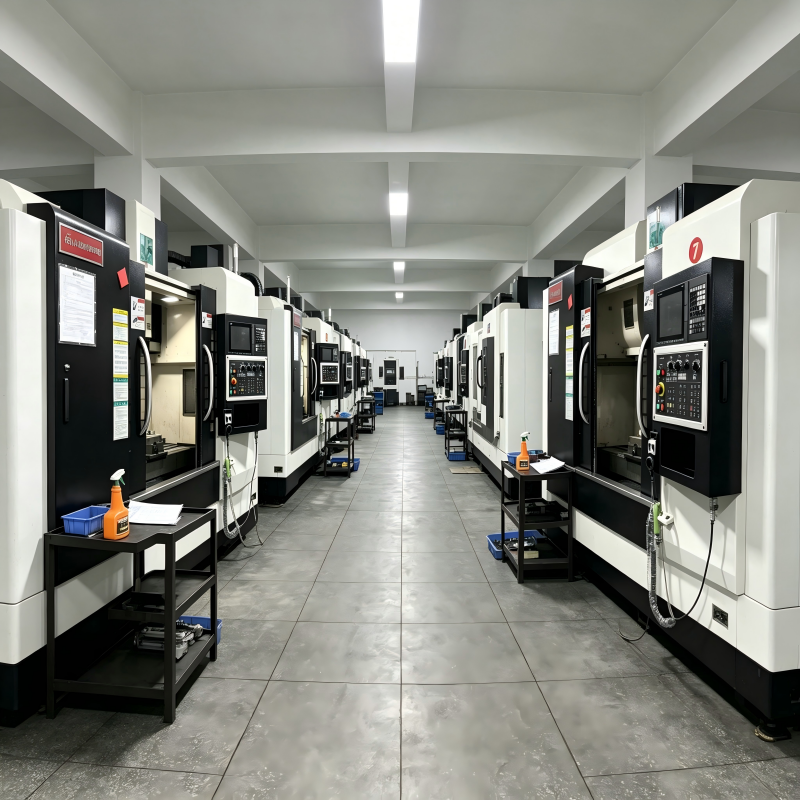
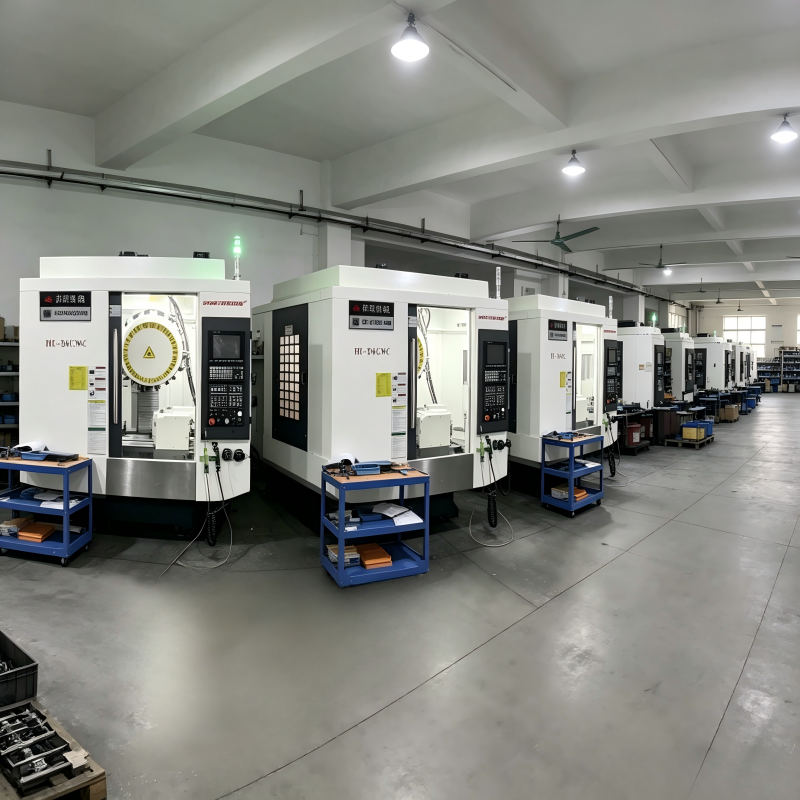
A6: We are factory direct with 17 experienced engineers and more than 50 employees as well approximate 3,000m2 workshop area.
Q7: What shall we do if we don't have drawings?
A7: Please send your sample to our factory, then we can copy and provide you better solutions. If send us pictures or drafts with dimensions(Length, Height, Width), CAD or 3D file will be made for you.
Q8: Can we get some samples before mass production?
A8: Absolutely yes.
Q9: Will my drawings be safe after sending them to you?
Q10: Is it possible to know the operation status of my products without visiting your company?
A10: We will offer a detailed production schedule and send weekly reports with digital pictures and videos which show the machining progress.