Exquisite CNC-machined precision parts create high-end mechanical components
In high-end manufacturing fields such as intelligent manufacturing, automated equipment, precision instruments, and aerospace, precision components are the core foundation for equipment operation. The precision, stability, and durability of these components directly determine the performance, accuracy, and usability of the entire machine.
CNC precision machining, with its advantages of high precision, high consistency, ability to form complex structures, and wide material compatibility, has become the mainstream production process for high-end precision components, replacing traditional milling, stamping, and casting processes, and becoming the core productivity of the precision manufacturing industry.
I. Industry Definition and Application Scenarios of CNC Precision Components
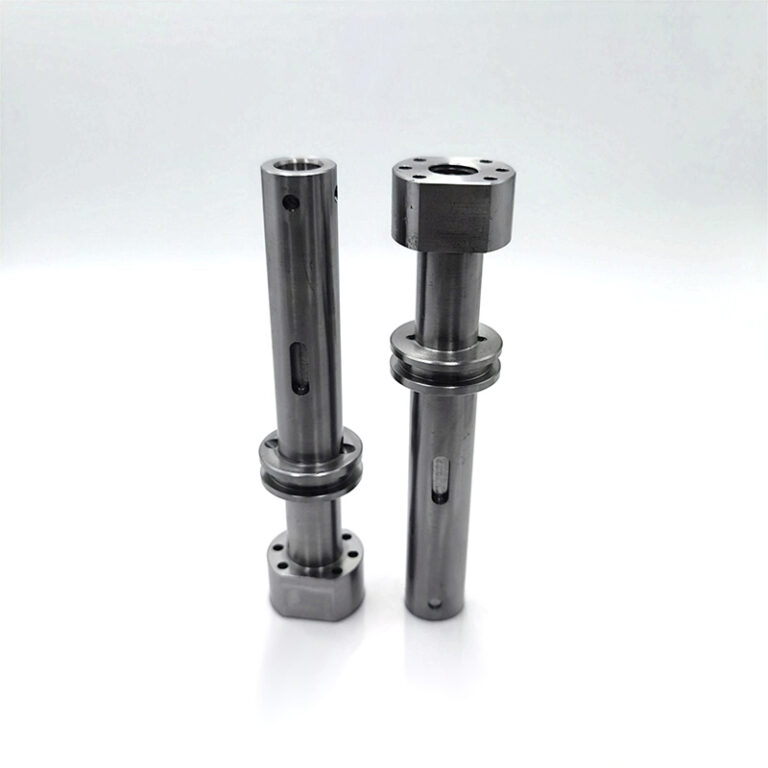
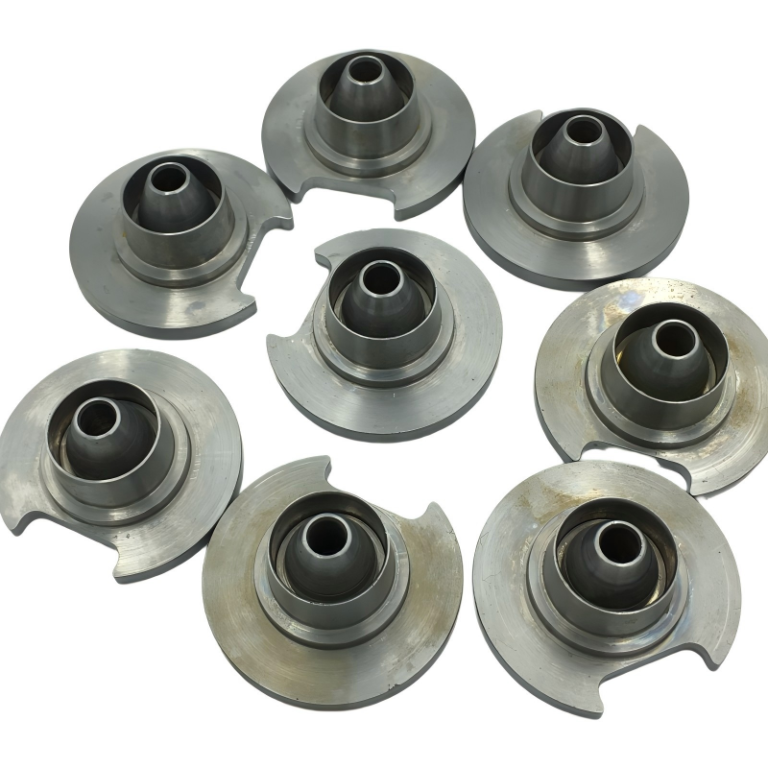
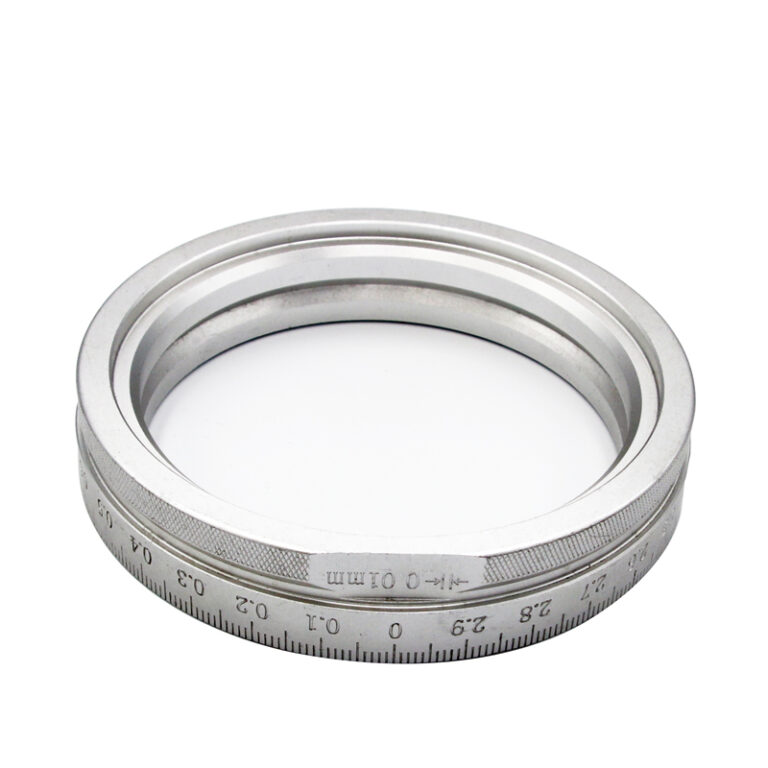
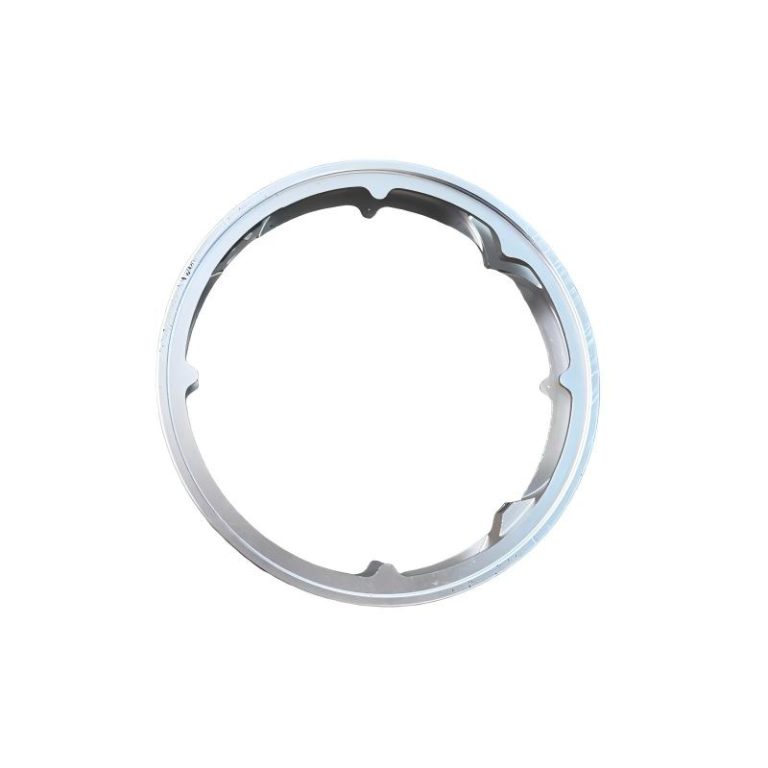
CNC precision components refer to mechanical parts produced using CNC lathes, machining centers, four-axis, and five-axis CNC machining equipment, with dimensional tolerances controlled at the micron level, extremely high surface finish, and high structural complexity.
These components differ from ordinary general-purpose parts; they do not pursue mass production at low cost, but rather prioritize high precision, high fit, and high stability.
They are widely used in high-end fields such as automated equipment, robot components, semiconductor equipment components, communication equipment, new energy mold components, and precision structural components for smart wearables.
In the entire equipment system, precision components play crucial roles in transmission, positioning, sealing, fixing, and support, ensuring the equipment's precise operation and stable performance.
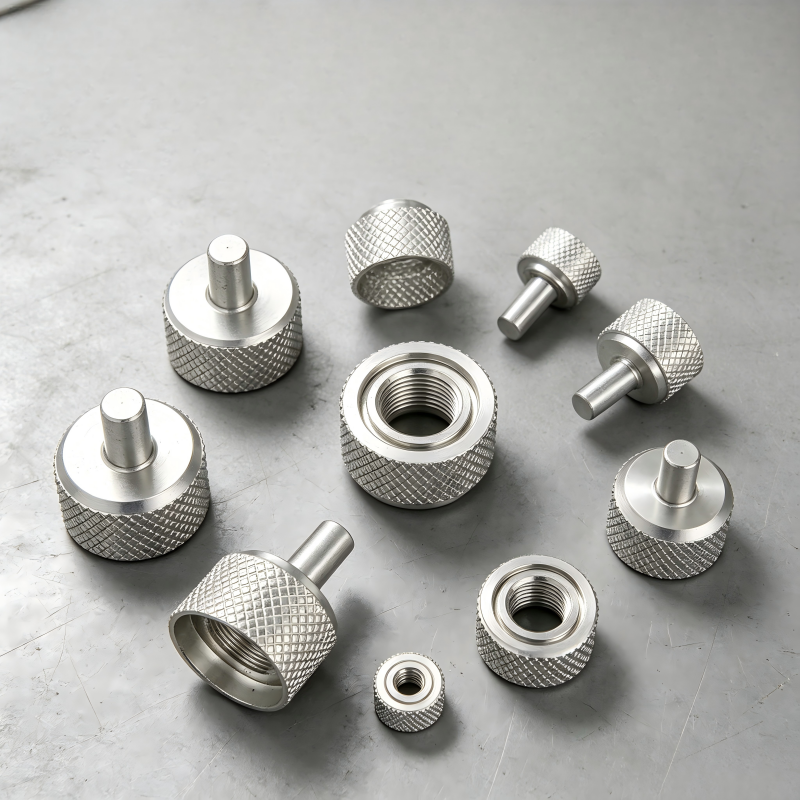
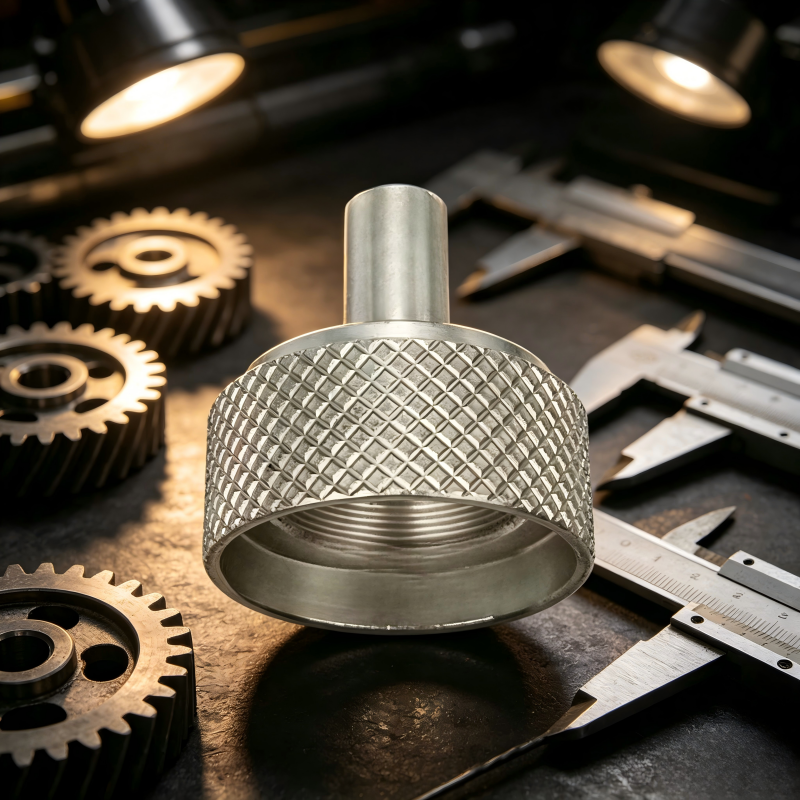
Compared to traditional machining methods, CNC precision machining possesses irreplaceable technological advantages. Firstly, it offers extremely high precision. The tolerance of conventional precision components can be stably controlled within ±0.01mm, while ultra-high precision parts can reach ±0.005mm, meeting the assembly and operation requirements of high-end equipment. Secondly, it boasts strong structural flexibility. Relying on multi-axis linkage machining, it can complete complex shapes such as irregular curved surfaces, complex holes, inclined cavities, and multi-step structures, which are impossible with traditional processes.
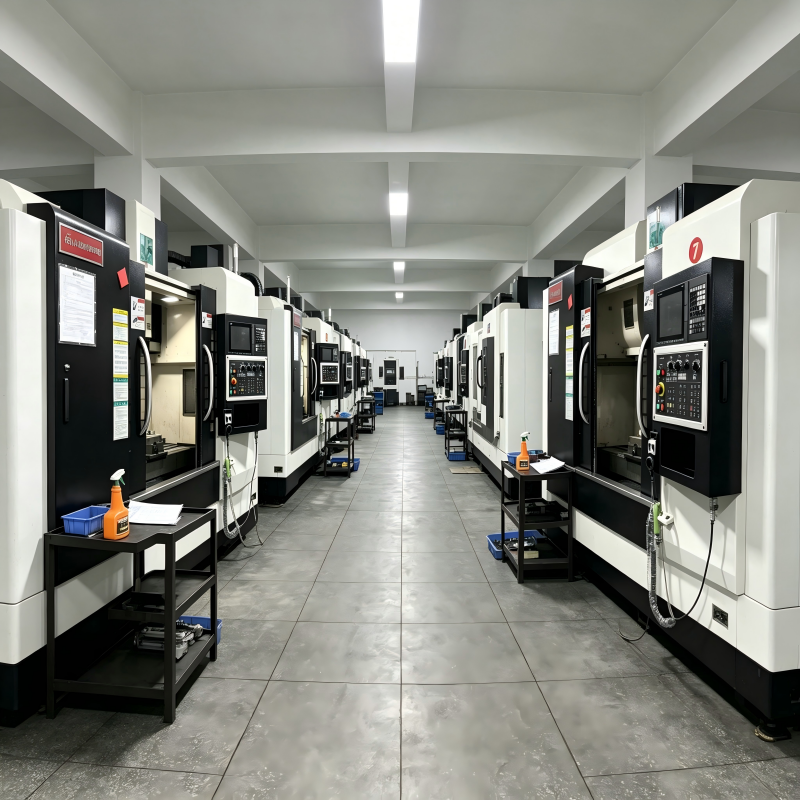
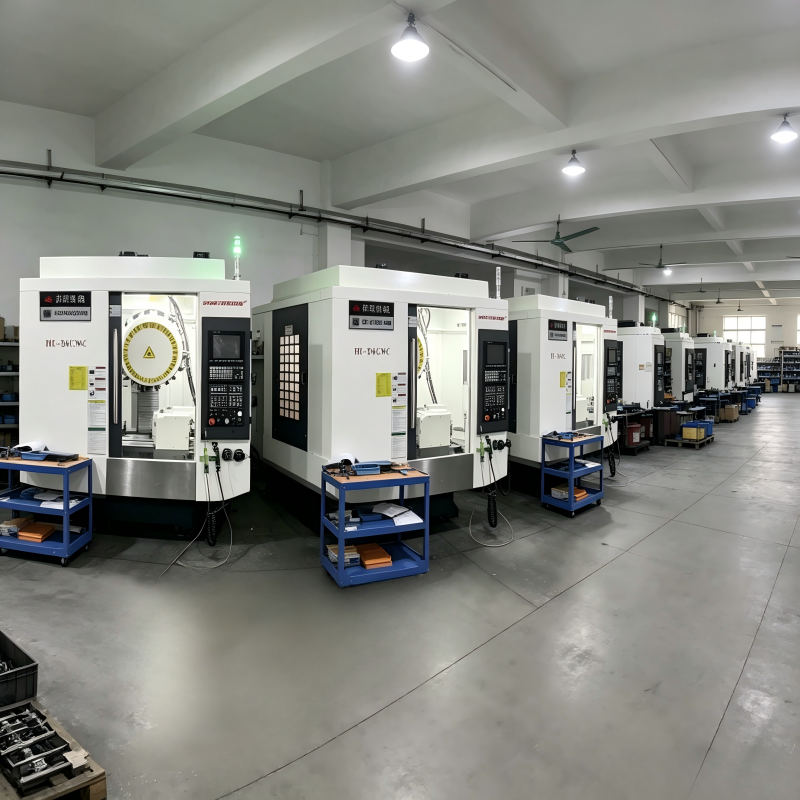
It also features wide material compatibility, capable of machining various materials such as stainless steel, aluminum alloy, copper, titanium alloy, and carbon steel. Furthermore, CNC machining is highly adaptable to single-piece and small-batch customization, offering fast sample production, short production cycles, and high part consistency, completely solving the problems of large errors and difficulty in machining complex parts inherent in traditional machining methods.
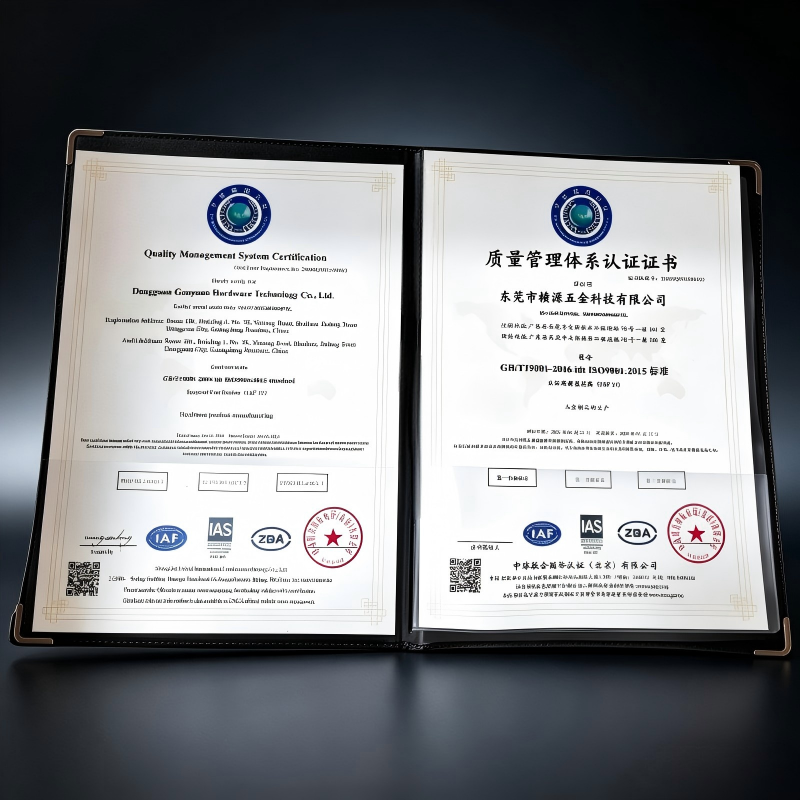
The quality of CNC precision components hinges on material selection, which is the first crucial step. Different application scenarios require matching materials, balancing hardness, wear resistance, corrosion resistance, and lightweight requirements.
Aluminum alloys are lightweight, easy to cut, and have good heat dissipation, making them widely used in automated equipment housings and lightweight structural components; 304/316 stainless steel is corrosion-resistant, oxidation-resistant, and has high hardness, often used in precision sealing components; brass has good conductivity and strong wear resistance, suitable for precision connectors in communications and electrical appliances; titanium alloys are high-strength and lightweight, often used in aerospace and high-end intelligent equipment precision parts.
FAQ
Q1: Where can I get product & price information?
A1: Send us an inquiry e-mail, we will contact you once we received your mail.
Q2: How long will I get the sample?
A2: Depends on your specific items, within 3-7 days generally.
Q3: What kinds of information do you need for a quote?
A3: Kindly please provide the product drawings in PDF, if provide in STEP or IGS will be better.
Q4: What are the payment terms?
A4: We accept 50% as a payment deposit, when the goods are prepared, we shoot photos or videos for your check, and then you can pay the balance. For small quantities, we accept Paypal, the commission will be added to the order. For big amounts, T/T is preferred.
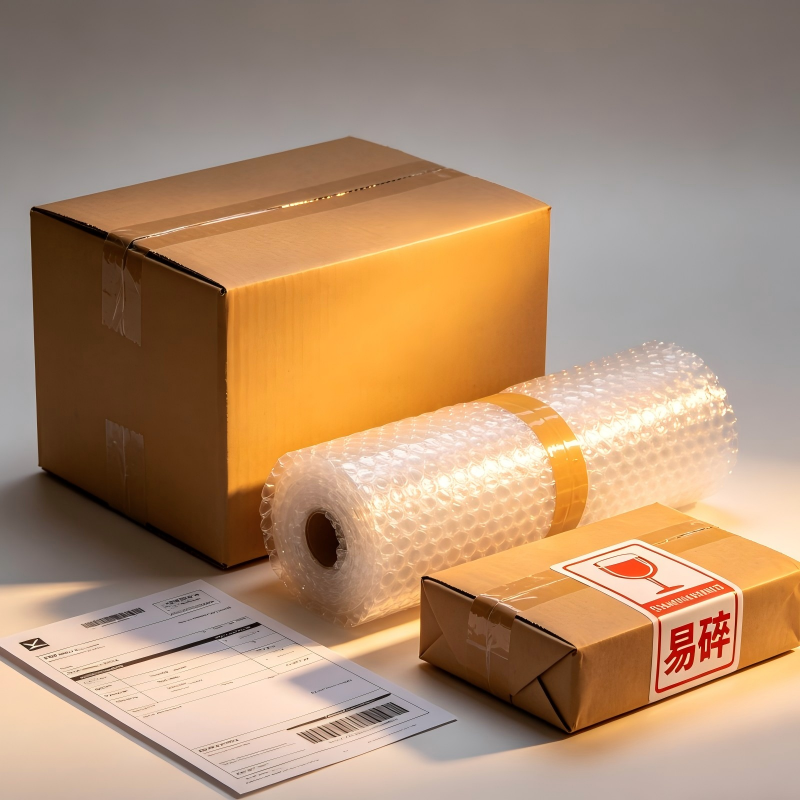
Q5: How to deliver the goods?
A5: We deliver the products by courier company.
Q6: Are you a trading company or factory?
A6: We are factory direct with 17 experienced engineers and more than 50 employees as well approximate 3,000m2 workshop area.
Q7: What shall we do if we don't have drawings?
A7: Please send your sample to our factory, then we can copy and provide you better solutions. If send us pictures or drafts with dimensions(Length, Height, Width), CAD or 3D file will be made for you.
Q8: Can we get some samples before mass production?
A8: Absolutely yes.
Q9: Will my drawings be safe after sending them to you?
Q10: Is it possible to know the operation status of my products without visiting your company?
A10: We will offer a detailed production schedule and send weekly reports with digital pictures and videos which show the machining progress.