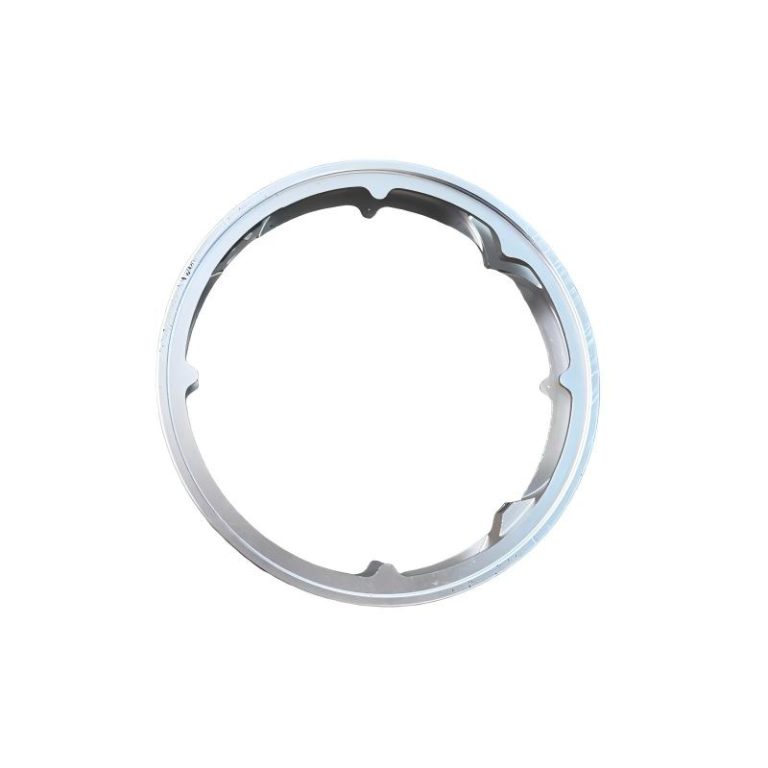
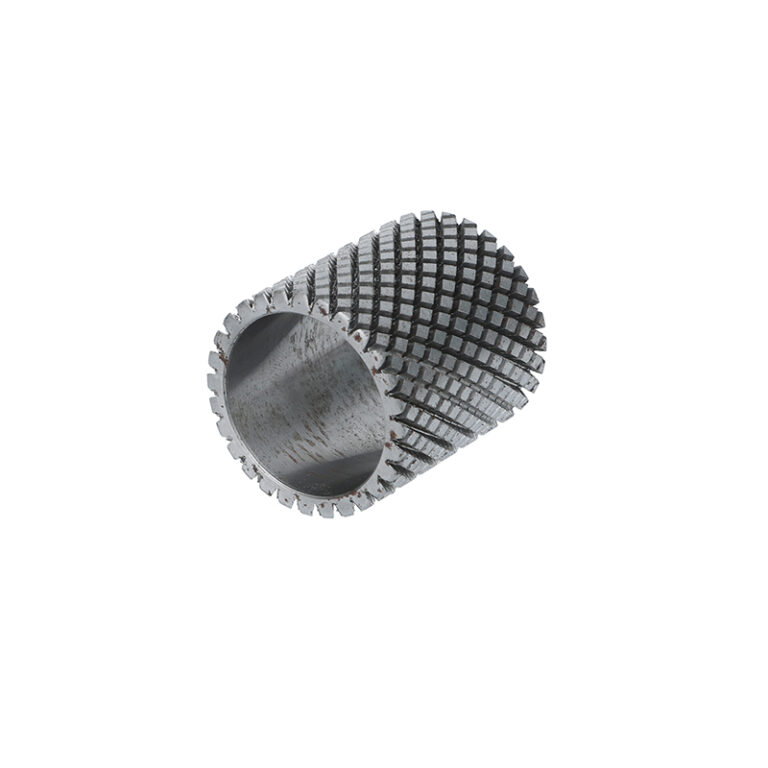
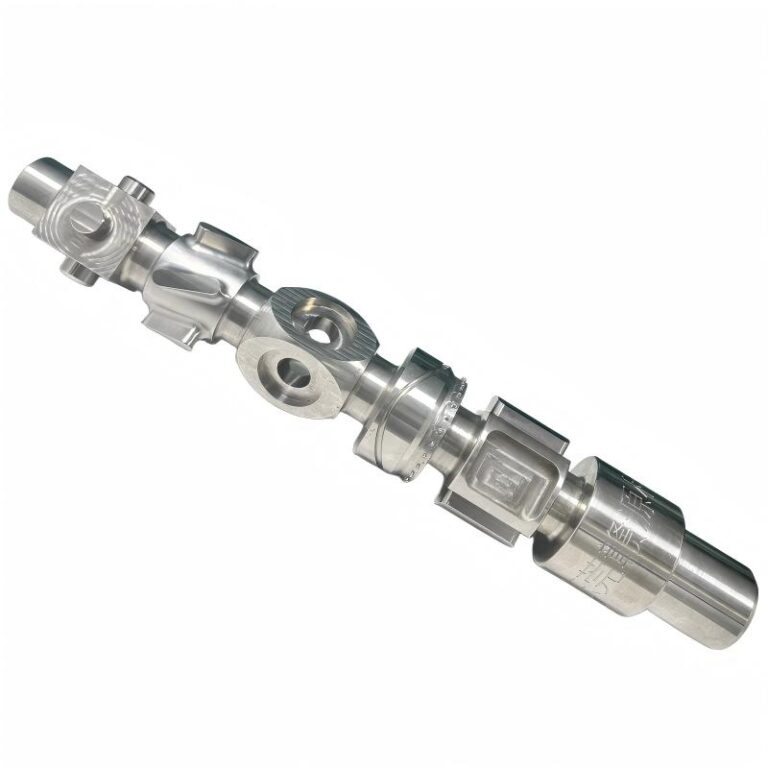
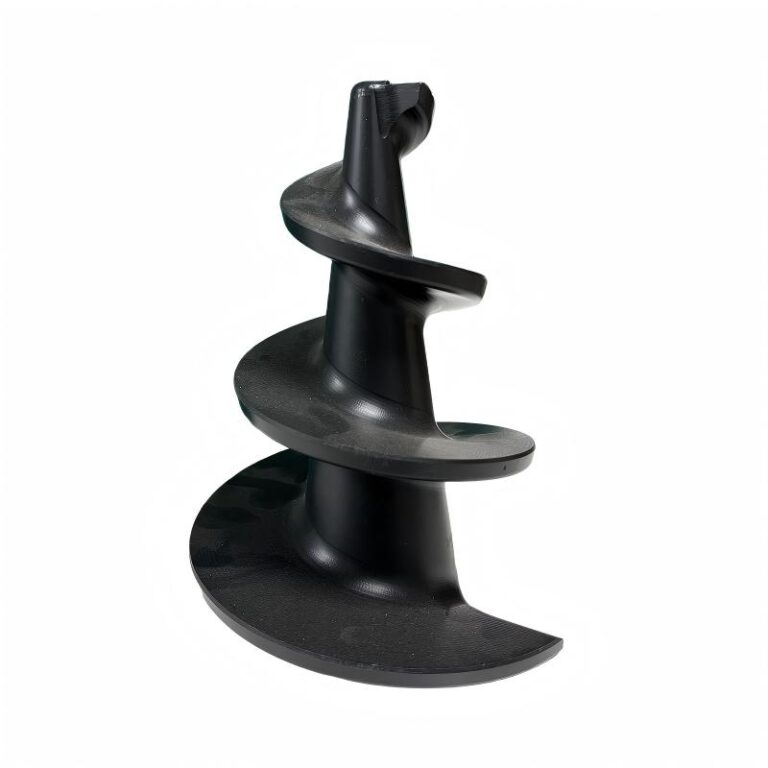
High quality Stainless steel screws CNC precision turning non-standard and irregular fasteners
CNC machining of stainless steel screws is a precision manufacturing practice for high-strength, easily hardened materials. With its high flexibility and high precision, it is particularly suitable for R&D prototyping, small-batch production, and the production of complex, irregularly shaped parts. Its core process can be summarized into three main stages: careful preparation, CNC forming, and lean post-processing.
What are the processes involved in the precision manufacturing of CNC-machined stainless steel screws?
Stage 1: Process Planning and Precision Preparation
Successful machining begins with meticulous preparation. The process engineer first analyzes the drawings and plans the entire process from bar stock to finished product. Materials are mostly selected from 304, 316, or easily machinable 303 stainless steel bars, and precise cutting is performed. Tool selection is crucial; high-hardness, high-toughness carbide tools must be used, and special inserts must be matched for different processes such as turning, grooving, and threading. Simultaneously, CNC programming is completed in the computer, setting reasonable cutting parameters and paths, and high-precision clamping fixtures such as collets are prepared for machine tool mounting.
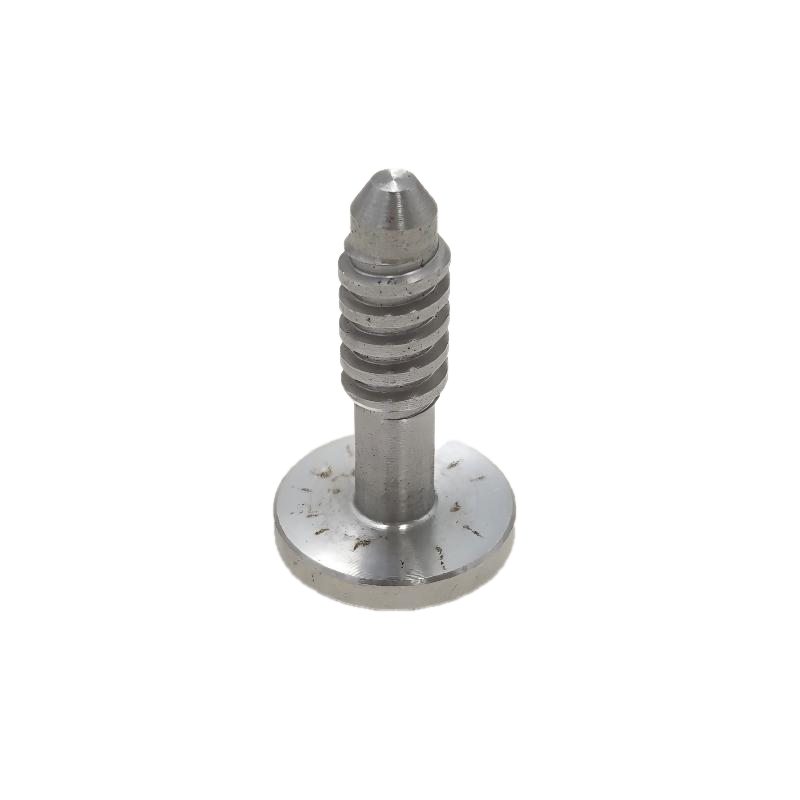
High quality Stainless steel screws CNC precision turning non-standard and irregular fasteners
This is the core "subtractive creation" stage. The process is typically completed efficiently on a single milling and turning center.
1) Turning the main body: The bar stock is firmly clamped, and the end face is turned first as a reference, followed by roughing and finishing the outer diameter, forming the screw shank, head, and transition arc in one step.
2) Milling the groove: Utilizing the machine tool's milling power, the head drive structure, such as internal hexagonal and cross-shaped grooves, is precisely milled using an end mill, offering far greater flexibility than traditional stamping.
3) Thread machining: This is the core process. CNC thread turning is the mainstream high-precision method. The thread cutting tool is controlled by a program to perform layered cutting, resulting in precise forming and a smooth surface. For special locations or large threads, thread milling can also be used, completed by helical interpolation of the end mill. Sufficient cutting fluid must be sprayed throughout the process to address the challenges of stainless steel's poor thermal conductivity and tendency to stick to the tool.
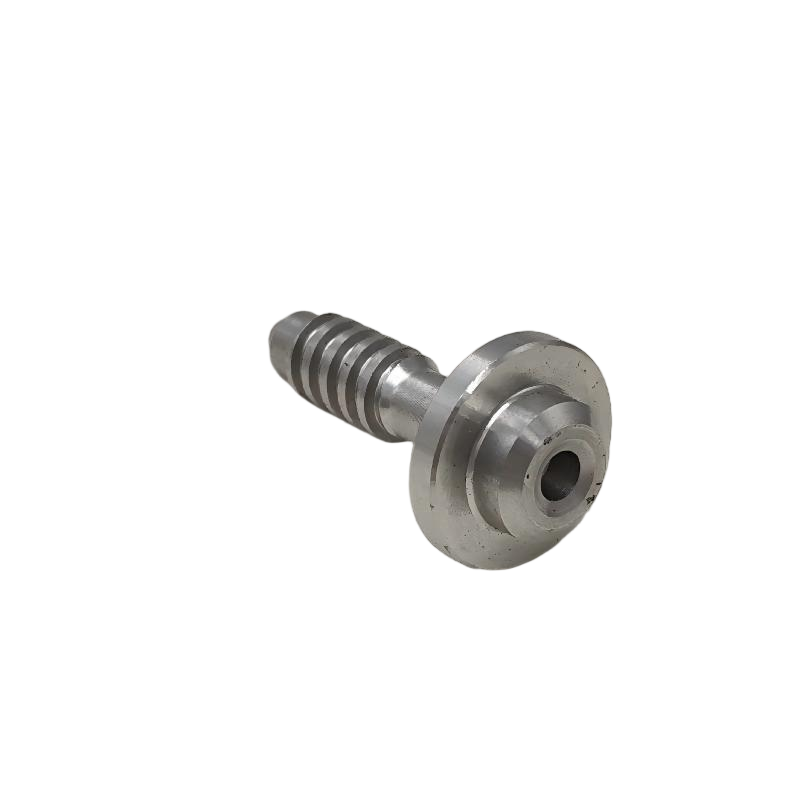
The process does not end after the part is removed from the machine tool. Deburring is an essential step, crucial for safety and feel, requiring careful cleaning of sharp edges on the thread crests and grooves. This is followed by cleaning and drying. Depending on requirements, screws may need passivation to form a dense oxide film on the surface, further enhancing their rust resistance. Finally, a full-dimensional inspection is performed using tools such as thread gauges, calipers, and optical projectors to ensure that each screw meets the precise requirements of the drawings, thus completing the process loop.
In summary, the CNC machining of stainless steel screws is a modern manufacturing chain integrating materials science, CNC technology, and precision measurement. Through precise digital control, it effectively overcomes the challenges of machining stainless steel, transforming this tough metal into dimensionally accurate and reliable fasteners. It is an indispensable precision technology in high-end equipment manufacturing.
We are a manufacturer integrating industry and trade. We have more than 20 years of experience in production technology. We are located in Dongguan City, Guangdong Province, China. We have advanced high-end professional production and processing technology, and are committed to innovative R&D and production. After years of market tempering and exploration, it has high-quality technical management personnel, experienced designers, R&D personnel and a perfect company management system.
5-axis CNC workshop
Our factory has a plant area of about 2,000 square meters and masters core processing technologies. It has high-end precision production equipment: CNC lathes, 5-axis CNC, 4-axis CNC, stamping equipment, die-casting equipment, etc.
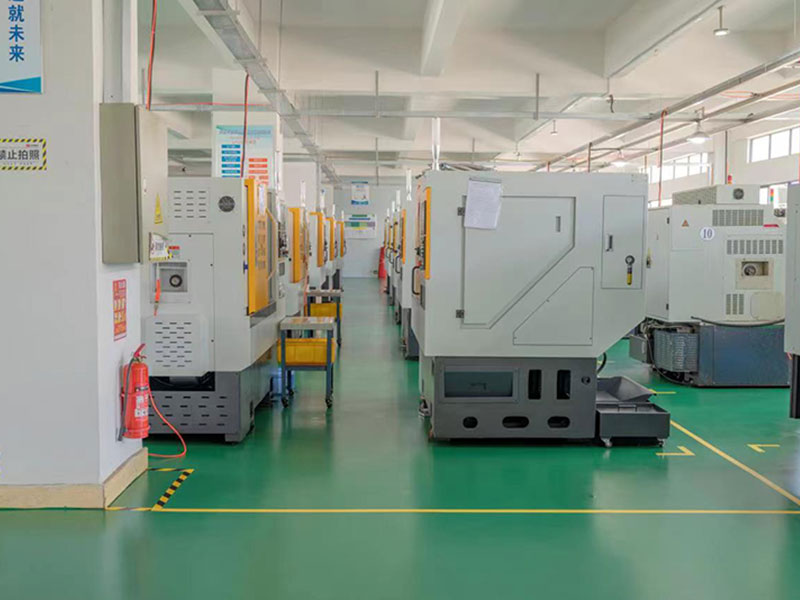
Auxiliary production equipment: electroplating, anodizing, hard anodizing and surface treatment. We have complete testing equipment: sophisticated three-dimensional testing, two-dimensional testing, hardness tester, height meter, projector and other conventional testing equipment. If you are interested in our products, please contact me and I will provide the best price support and quality service.
2D inspection equipment