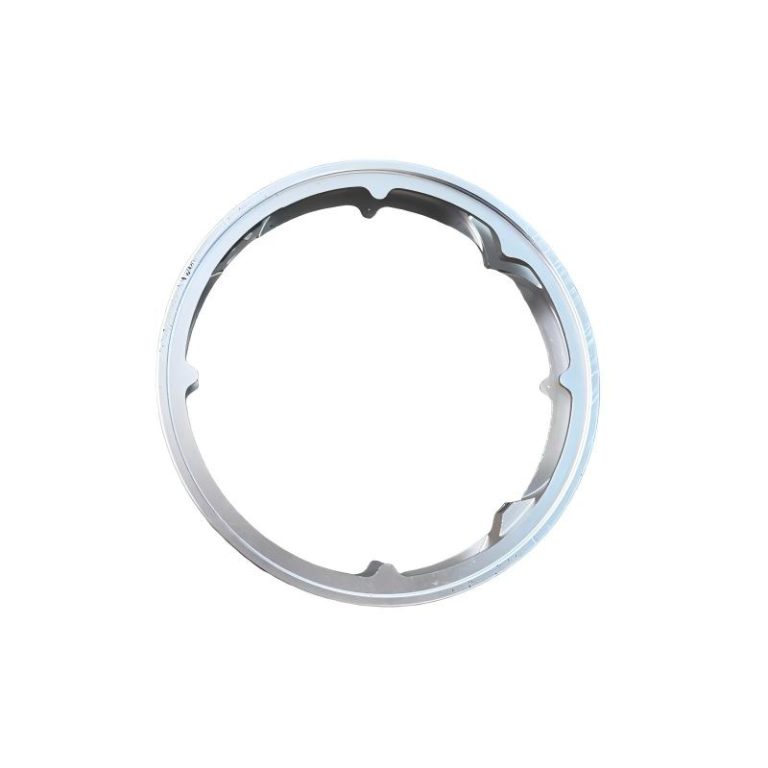
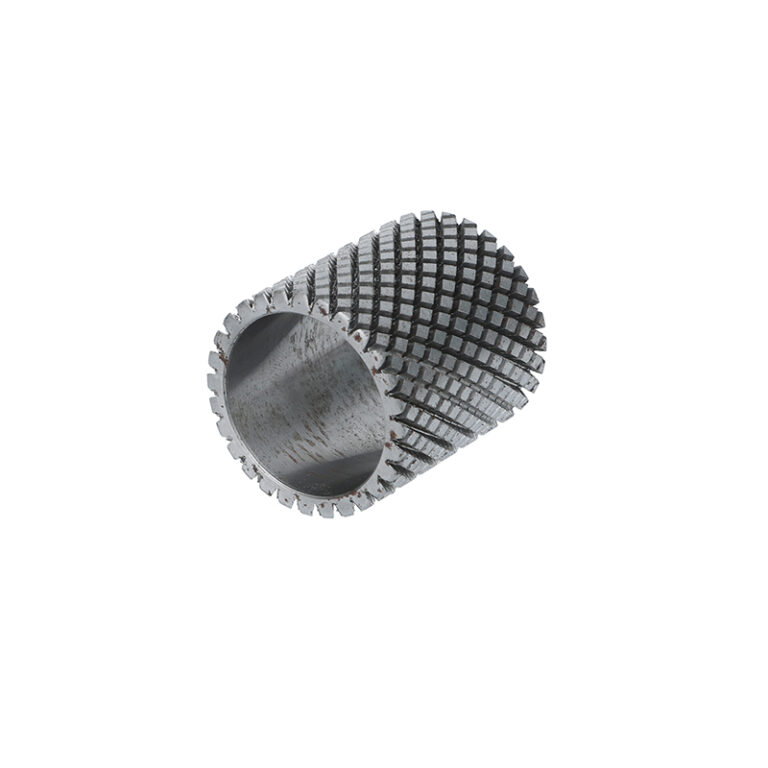
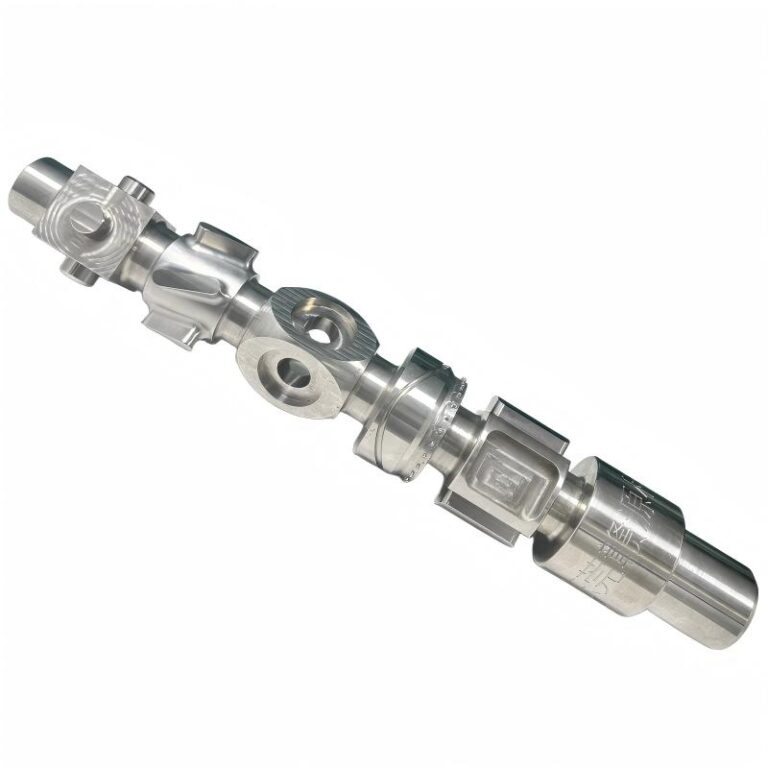
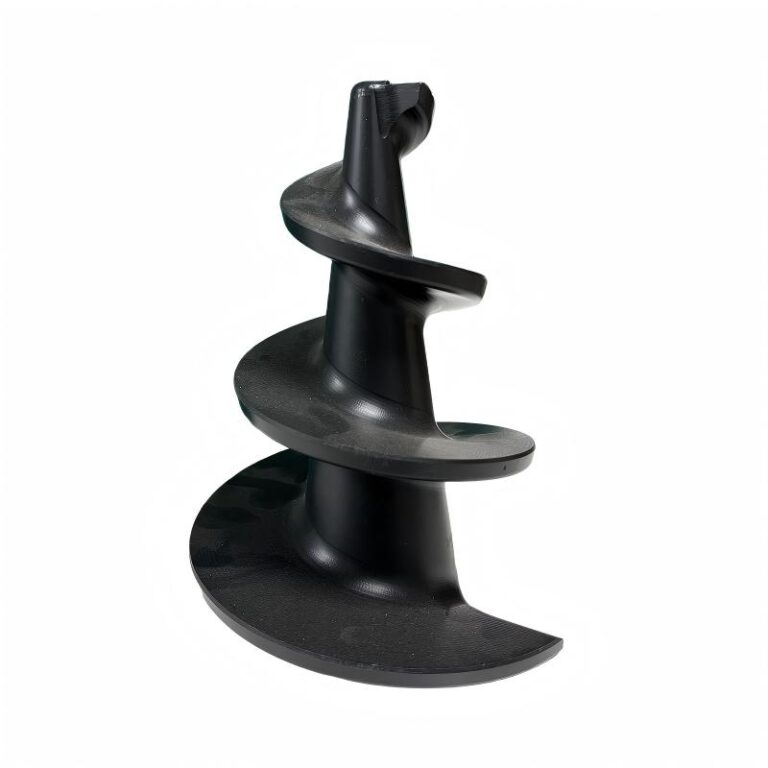
High-precision titanium alloy parts trustworthy 5-axis CNC machining aerospace components
CNC Machining of Titanium Alloy Parts: The Art of Reliability
CNC machining of titanium alloy parts is a high-end manufacturing technology that challenges the physical limits of materials. titanium alloy, with their excellent specific strength, corrosion resistance, and biocompatibility, are widely used in aerospace, medical implants, and other fields. However, their extremely poor thermal conductivity, high chemical reactivity, and low elastic modulus make them typical difficult-to-machine materials.
The core of the entire process lies in how to achieve absolute control over cutting heat and stress during high-intensity cutting to ensure the dimensional stability and surface integrity of the parts.
Phase One: Precision Planning Centered on Stability
Successful machining begins with a deep understanding of the properties of titanium alloy and meticulous preparation. The primary task of process planning is to analyze the part structure, identify easily deformable features such as thin walls and deep cavities, and design the most reasonable clamping scheme to avoid workpiece deformation or vibration caused by clamping forces.
Tool selection is strategically critical: carbide tools with sharp cutting edges and PVD wear-resistant coatings must be used, and the rigidity of the tools should be maximized as much as possible. The programming strategy requires designing scientific toolpaths for subsequent machining. The core principle is to avoid continuous cutting in localized areas that generate high temperatures and to fully utilize the effective cutting edge of the tool.
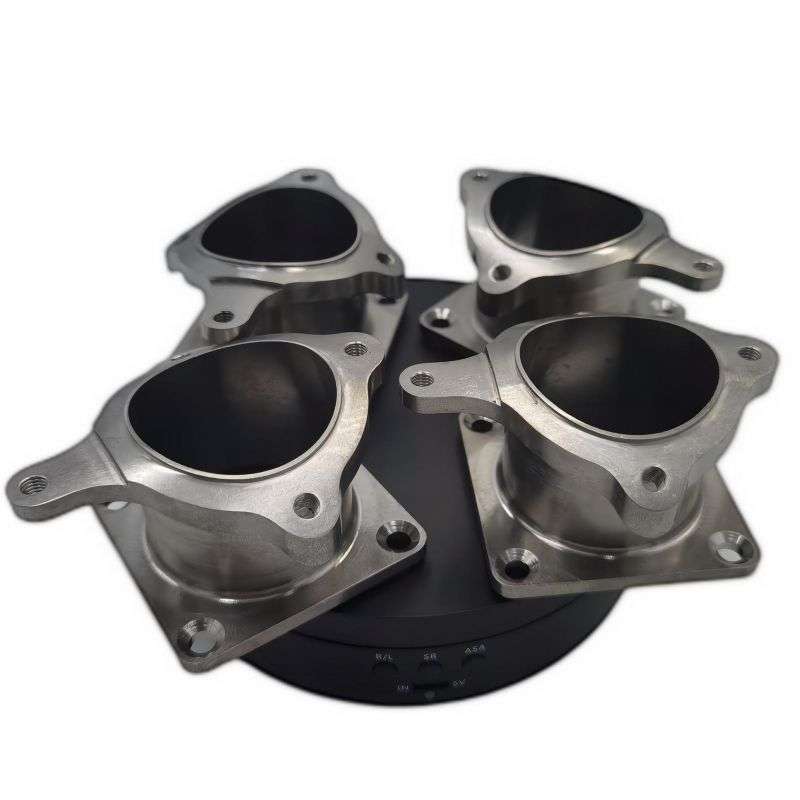
High-precision titanium alloy parts trustworthy 5-axis CNC machining aerospace components
Second Stage: Controlled “Thermo-Coupling” Machining
This is the core and challenging stage of titanium alloy machining, requiring meticulous process planning and parameter control.
Roughing and Datum Establishment: First, a precise and reliable process datum is established through turning or milling. Roughing employs a combination of low speed, large depth of cut, and moderate feed rate to efficiently remove excess material. Simultaneously, the large depth of cut allows the cutting edge to work below the hardened layer, and the large chips carry away heat. Sufficient high-pressure coolant (usually a water-based solution) must be precisely flushed across the cutting zone to force cooling and remove chips.
Semi-Finishing and Stress Relief: After roughing, significant residual stress has accumulated inside the part. The purpose of semi-finishing is to remove some of the deformation and leave a uniform and appropriate allowance for finishing. At this stage, a non-critical stress-relief process is often arranged, such as loosening the fixture to allow the workpiece to spring back naturally, or performing vibration aging treatment.
Finishing and Surface Integrity Assurance: This is the final step determining the final performance. Using brand-new or excellent-condition cutting tools with more conservative parameters, light cutting is employed to pursue dimensional accuracy and surface quality. For critical mating surfaces, a high-speed, shallow-depth-of-cut, and low-feed finishing strategy is often used to obtain an ideal surface with low residual stress.
Third Stage: Quality Verification for Reliability
Machining completion is not the end, but the starting point for verifying functional reliability. All parts must be thoroughly cleaned to remove oil and trace amounts of titanium shavings. Subsequently, comprehensive non-destructive testing is required. For critical components in aerospace and other applications, X-ray inspection is also necessary to detect internal defects.
Finally, under isothermal conditions, equipment such as a coordinate measuring machine (CMM) is used to conduct final inspections of the critical dimensions and geometric tolerances of the parts, with a focus on evaluating their dimensional stability after a period of storage to ensure they meet stringent service requirements.
In summary, CNC machining of titanium alloy parts is a systematic engineering project integrating materials science, thermodynamics, and precision manufacturing. It requires scientific process design, meticulous process control, and a rigorous verification system.
We are a manufacturer integrating industry and trade. We have more than 20 years of experience in production technology. We are located in Dongguan City, Guangdong Province, China. We have advanced high-end professional production and processing technology, and are committed to innovative R&D and production. After years of market tempering and exploration, it has high-quality technical management personnel, experienced designers, R&D personnel and a perfect company management system.
5-axis CNC workshop
Our factory has a plant area of about 2,000 square meters and masters core processing technologies. It has high-end precision production equipment: CNC lathes, 5-axis CNC, 4-axis CNC, stamping equipment, die-casting equipment, etc.

Auxiliary production equipment: electroplating, anodizing, hard anodizing and surface treatment. We have complete testing equipment: sophisticated three-dimensional testing, two-dimensional testing, hardness tester, height meter, projector and other conventional testing equipment. If you are interested in our products, please contact me and I will provide the best price support and quality service.
2D inspection equipment
Product Packaging
Packaging Details
- Commercial packaging: 1pc/plastic bag + color box +carton + pallet;
- Industrial packaging: (1). plastic tube + carton + pallet; (2). plastic bag + kraft paper + carton + pallet;
- According to the requirement of customer.