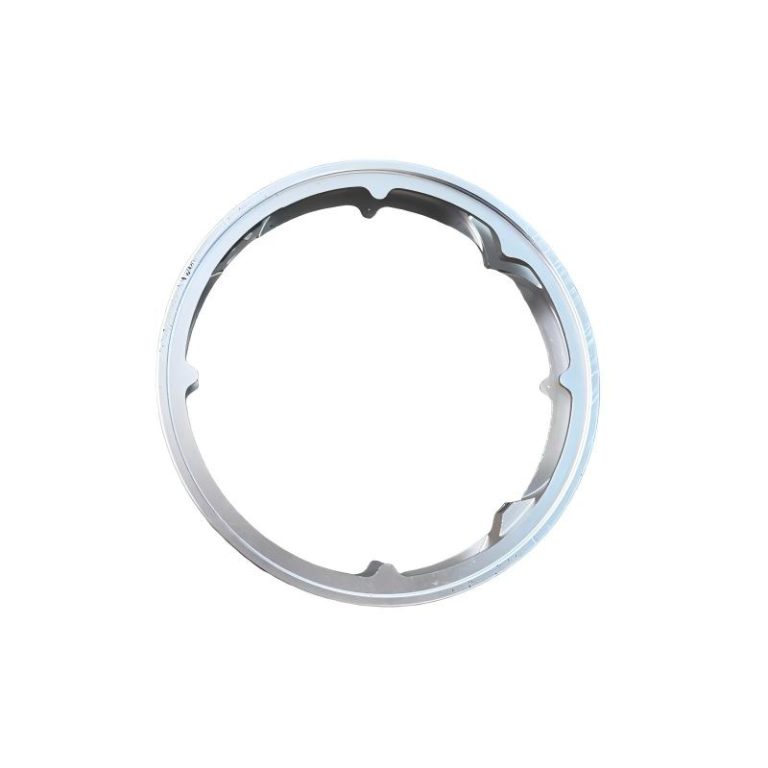
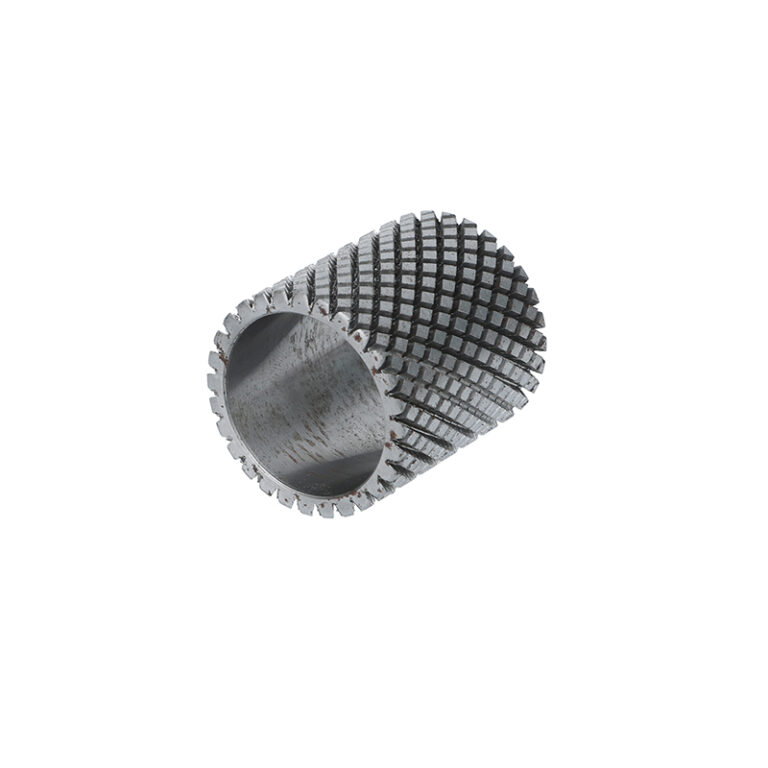
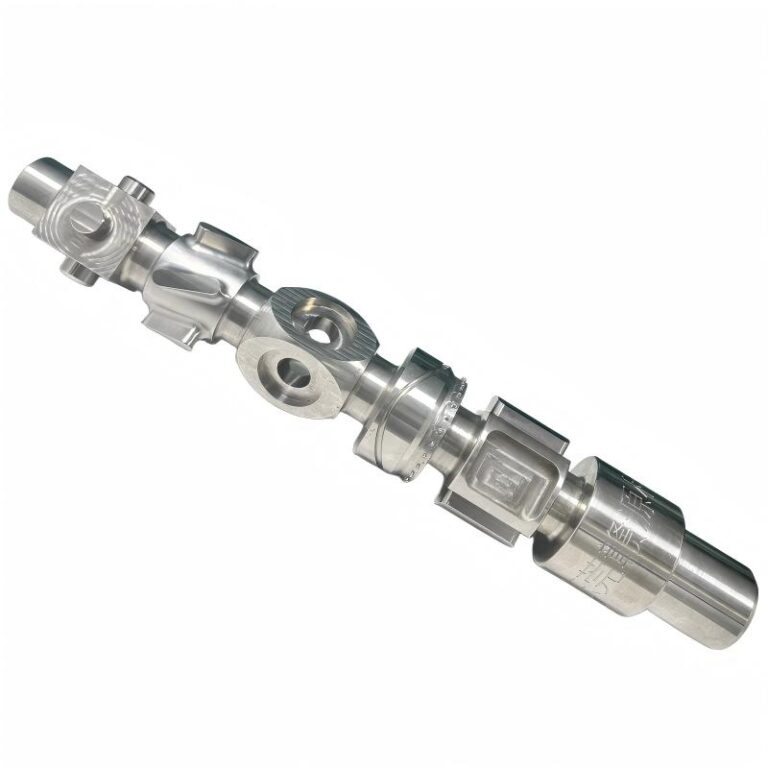
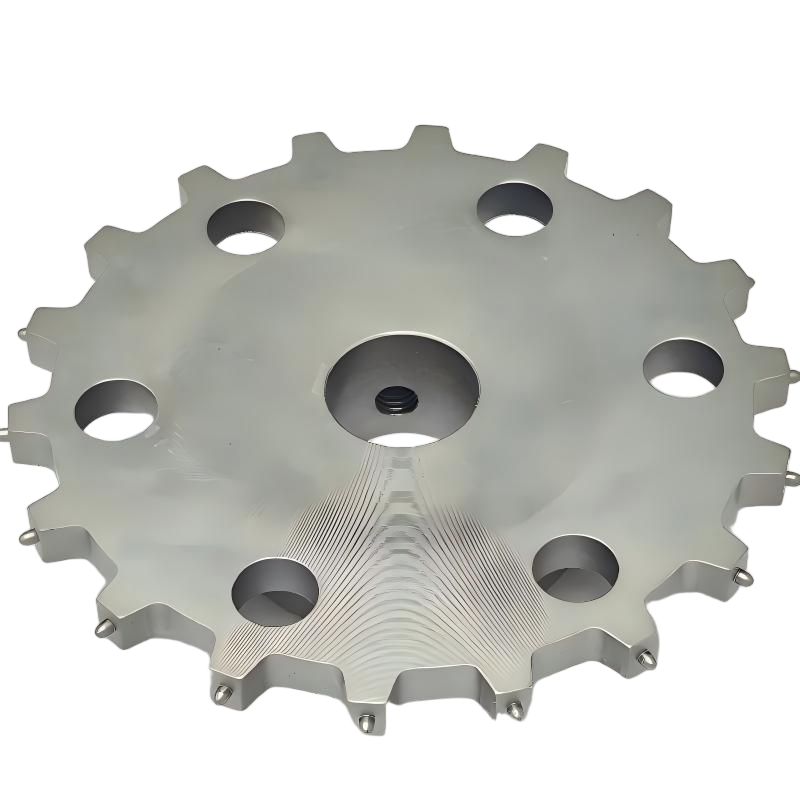
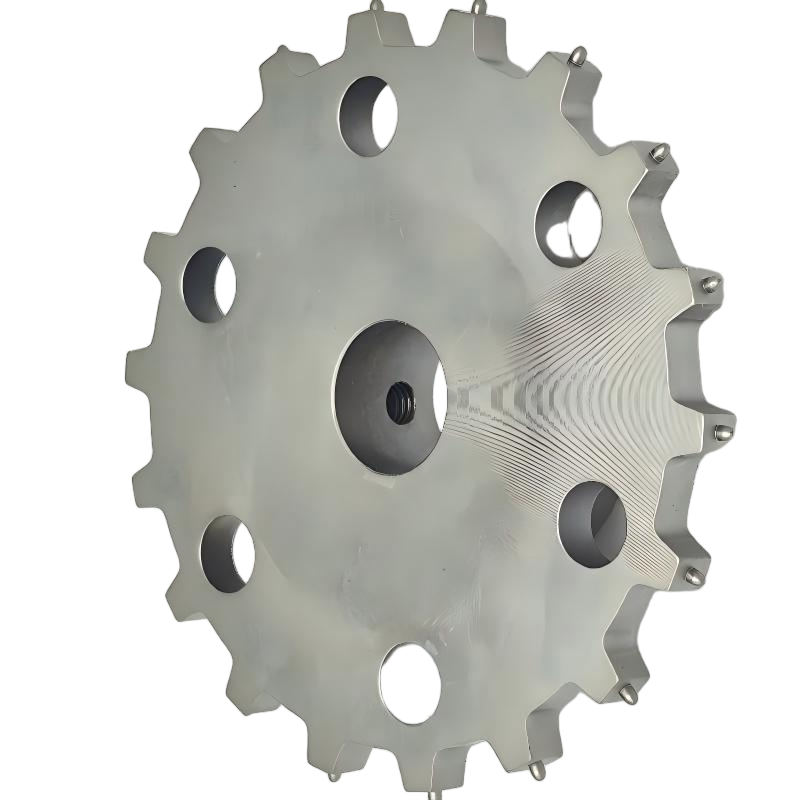
Trustworthy 304/316 stainless steel gear CNC precision machining transmission components for mechanical equipment
CNC machining of stainless steel gear presents a precision manufacturing challenge for high-load, corrosion-resistant transmission components. Stainless steel gear possess both rust resistance and high strength, but the material exhibits strong work hardening tendency, poor thermal conductivity, and high cutting difficulty. Therefore, the core of the process lies in effectively controlling deformation and residual stress while ensuring the accuracy of complex tooth profiles and achieving high wear resistance of the tooth surface. The entire process involves a deep integration of materials science, heat treatment, and precision machining technologies.
I. Material Properties and Planning
1) Precise analysis of the service conditions of stainless steel gear. Specific grades must be selected based on load, speed, and corrosive environment. The core is to develop a coordinated process route of "machining-heat treatment-finishing." During programming, a reasonable allowance for heat treatment deformation must be reserved before finishing the tooth profile. Clamping must utilize precision soft jaws modified by turning or specialized tooling to avoid damaging the workpiece and ensure sufficient rigidity to suppress vibration.
Trustworthy 304/316 stainless steel gear CNC precision machining transmission components for mechanical equipment
II. Staged Forming and Stress Control
1) This is the core step in realizing the stainless steel gear from blank to finished product, typically completed on a mill-turning center or a dedicated CNC hobbing/shaping machine. 2) Blank Pretreatment and Reference Machining: First, the inner hole, end face, and outer diameter of the gear are turned to establish a precise measurement and positioning reference. For forged blanks, annealing is required to reduce hardness and improve machinability.
3) Tooth Groove Roughing and Semi-Finishing: Most of the tooth groove material is removed using CNC milling or slow-travel hobbing. A strategy of low linear speed, moderate feed, and sufficient cooling is adopted, with segmented cutting to avoid localized overheating and accelerated hardening. This stage aims to form an approximate tooth profile and reserve uniform allowance for subsequent heat treatment.
4) Heat Treatment and Matrix Strengthening: This is the key step in giving stainless steel gears high strength. For martensitic stainless steel gear, quenching + low-temperature tempering is required; for precipitation hardening steel, solution treatment + age hardening is performed. After this step, the gear deforms overall, but achieves high hardness and strength.
5) Tooth Profile Finishing and Dressing: After heat treatment, the gear needs to be repositioned using the reference hole for finishing. Using CBN or high-performance carbide cutting tools, the tooth surface is precision milled, ground, or honed. This is a crucial process for ensuring final tooth profile accuracy and reducing surface roughness, while also correcting heat treatment deformation.
III. Surface Strengthening and Comprehensive Verification
1) After machining, the durability of the tooth surface needs further improvement and final inspection.
2) Surface hardening treatment: For gears with extremely high wear resistance requirements, low-temperature ion nitriding or PVD coating can be applied to the tooth surface. This significantly improves the tooth surface hardness and anti-galling ability without reducing the core toughness.
3) Precision inspection and performance verification: In a constant-temperature metrology chamber, a gear measuring center is used to perform a comprehensive scanning analysis of tooth profile, tooth direction, and cumulative pitch error. Simultaneously, the tooth surface roughness must be strictly controlled (Ra < 0.8 μm is typically required). For important gear pairs, contact spot tests and noise tests are also required to verify their meshing quality.
4) Cleaning and Rust Prevention: Finally, ultrasonic cleaning is performed, and passivation treatment is carried out as needed to enhance the overall corrosion resistance of the gears and ensure long-term storage and use performance.
We are a manufacturer integrating industry and trade. We have more than 20 years of experience in production technology. We are located in Dongguan City, Guangdong Province, China. We have advanced high-end professional production and processing technology, and are committed to innovative R&D and production. After years of market tempering and exploration, it has high-quality technical management personnel, experienced designers, R&D personnel and a perfect company management system.
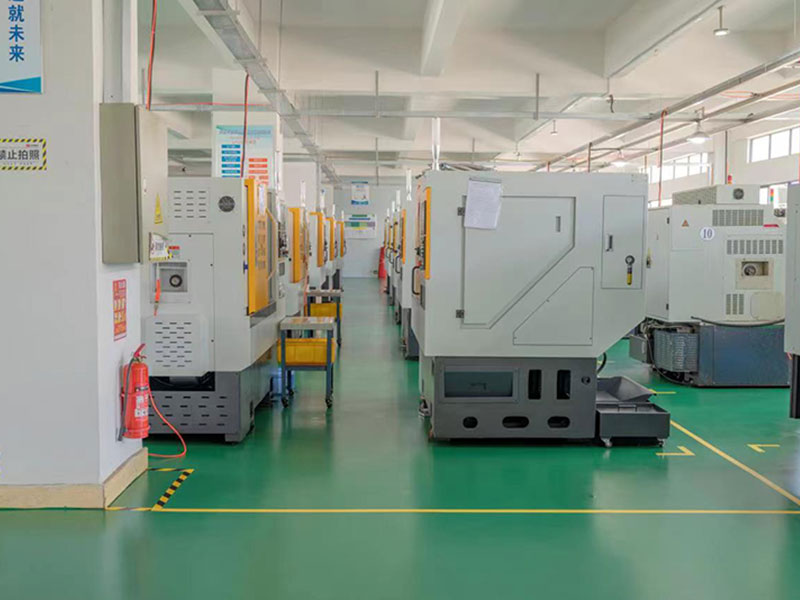
5-axis CNC workshop
Our factory has a plant area of about 2,000 square meters and masters core processing technologies. It has high-end precision production equipment: CNC lathes, 5-axis CNC, 4-axis CNC, stamping equipment, die-casting equipment, etc.
Auxiliary production equipment: electroplating, anodizing, hard anodizing and surface treatment. We have complete testing equipment: sophisticated three-dimensional testing, two-dimensional testing, hardness tester, height meter, projector and other conventional testing equipment. If you are interested in our products, please contact me and I will provide the best price support and quality service.
2D inspection equipment