Technological Characteristics and Core Advantages of CNC Machining Centers for Aluminum Parts
I. Low Cutting Resistance and Extremely High Machining Efficiency
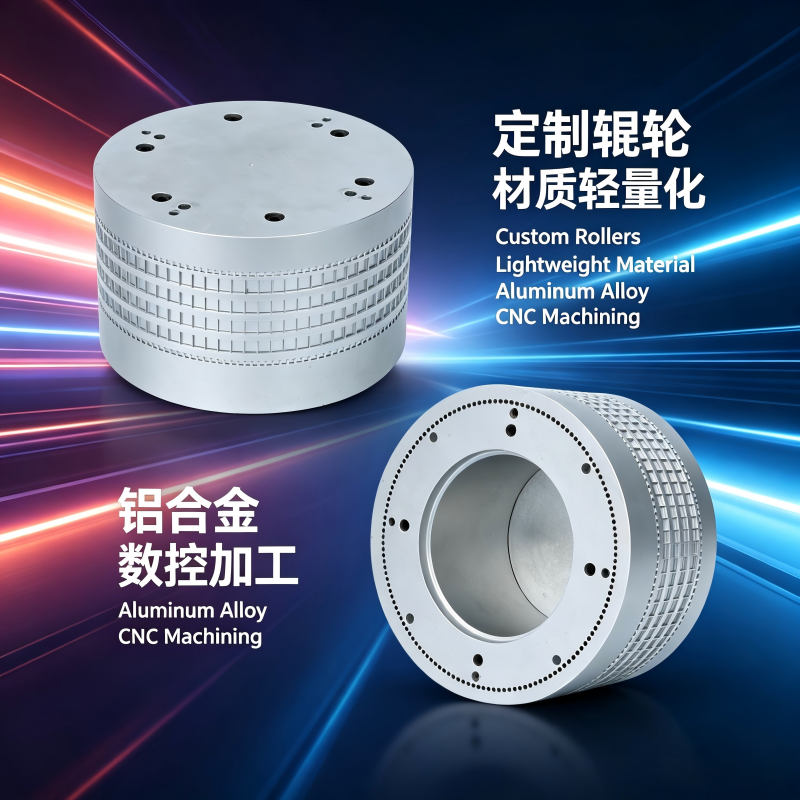
Aluminum alloys are lightweight, have low hardness, and good ductility. Compared to metals such as steel, iron, and copper, their cutting resistance is significantly reduced, making them one of the most suitable materials for high-speed cutting in CNC machining centers.
II. High Finished Product Precision and Excellent Surface Finish
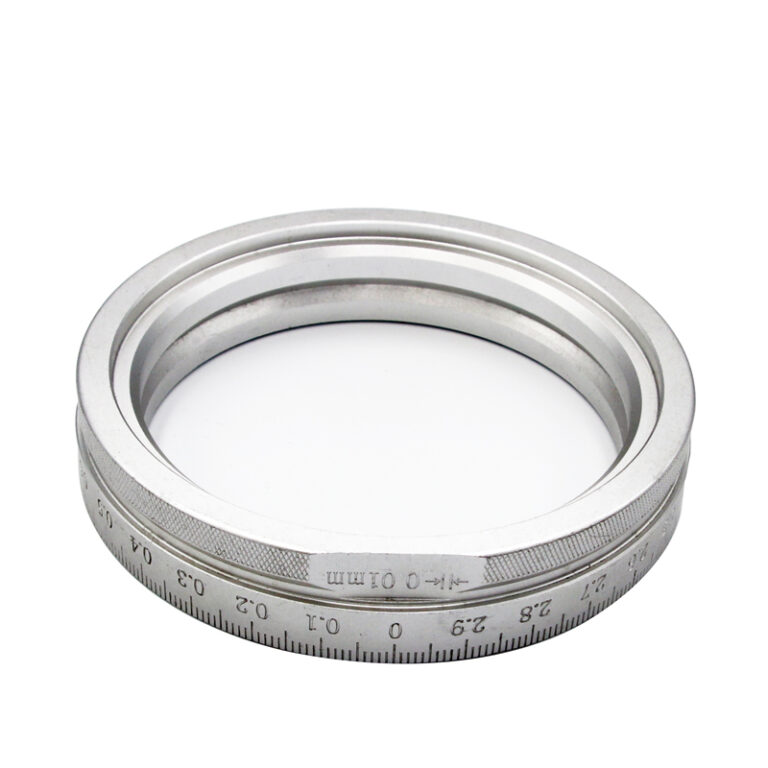
Aluminum parts have a fine texture and excellent cutting performance. Combined with the high-precision guideways and servo control system of CNC machining centers, micron-level precision machining can be achieved, accurately controlling core parameters such as dimensional tolerances, flatness, and parallelism of the workpiece.
Under most working conditions, no secondary finishing processes such as grinding and polishing are required after machining, directly meeting equipment assembly and appearance requirements, effectively simplifying production processes.
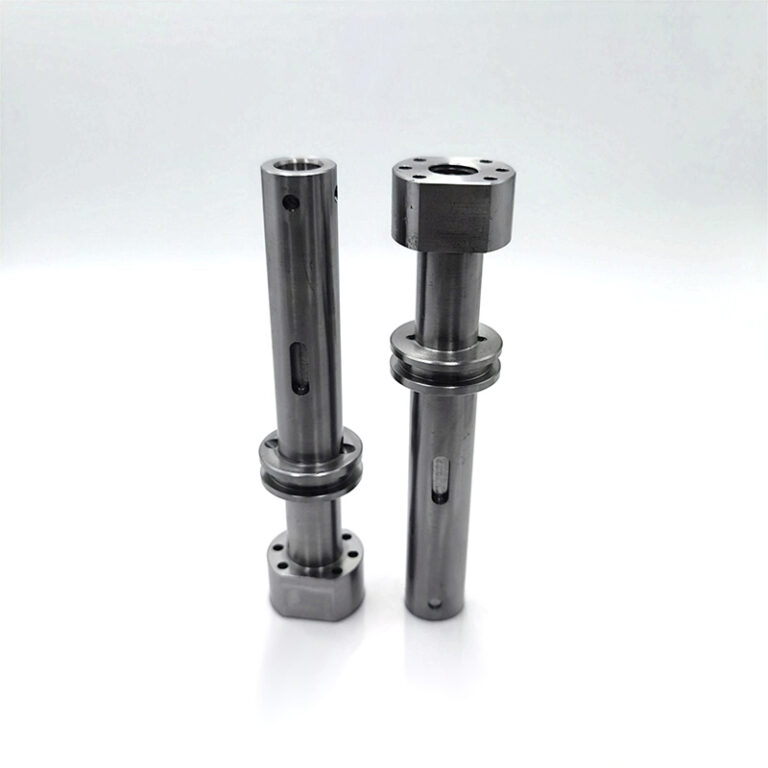
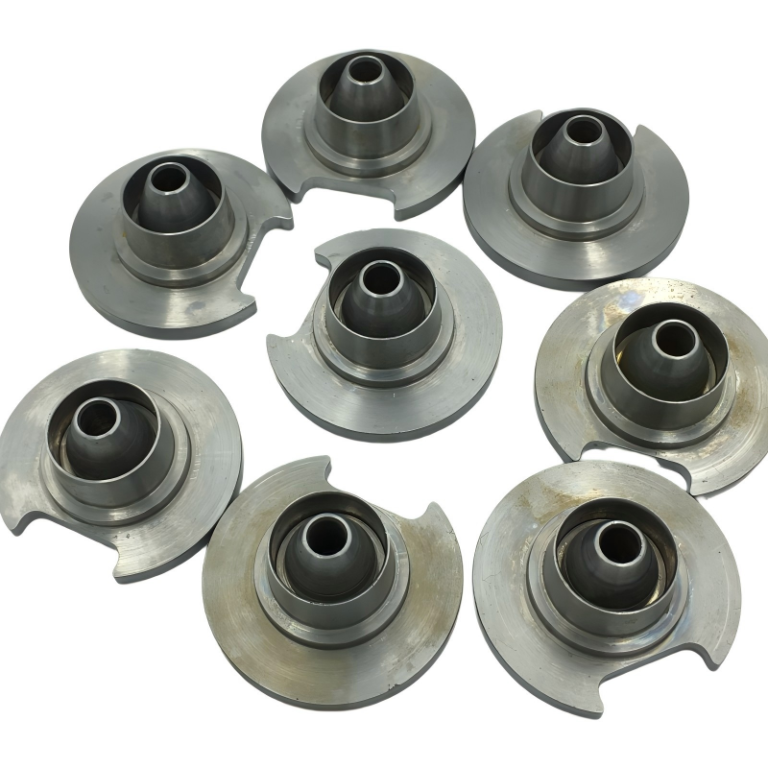
CNC machining centers possess three-axis, four-axis, and even five-axis simultaneous machining capabilities, breaking through the structural limitations of ordinary lathes and simple machining equipment. They can complete the machining and forming of various complex aluminum workpieces in one operation.
Whether it's irregularly shaped aluminum shells, cavities, multi-hole aluminum parts, curved aluminum components, precision aluminum brackets, or complex structural parts with bevels, grooves, or irregular contours, all can be precisely machined through programming.
A single setup can complete multiple processes such as drilling, milling, grooving, chamfering, and surface forming, perfectly adapting to the machining needs of complex workpieces such as automated components, new energy aluminum parts, mold aluminum parts, and aluminum accessories.
Technological Characteristics and Core Advantages of CNC Machining Centers for Aluminum Parts
IV. Workpieces are less prone to deformation, resulting in excellent finished product stability.
Aluminum alloys have high toughness and good plasticity, but traditional machining methods are prone to deformation and warping due to uneven stress and overheating during cutting.
However, CNC machining centers employ a scientific process of layered cutting, uniform feed, and symmetrical machining. This results in uniform cutting force, minimal machining vibration, and, combined with a reasonable cooling process, rapid removal of cutting heat, effectively avoiding thermal deformation and stress deformation problems in aluminum parts.
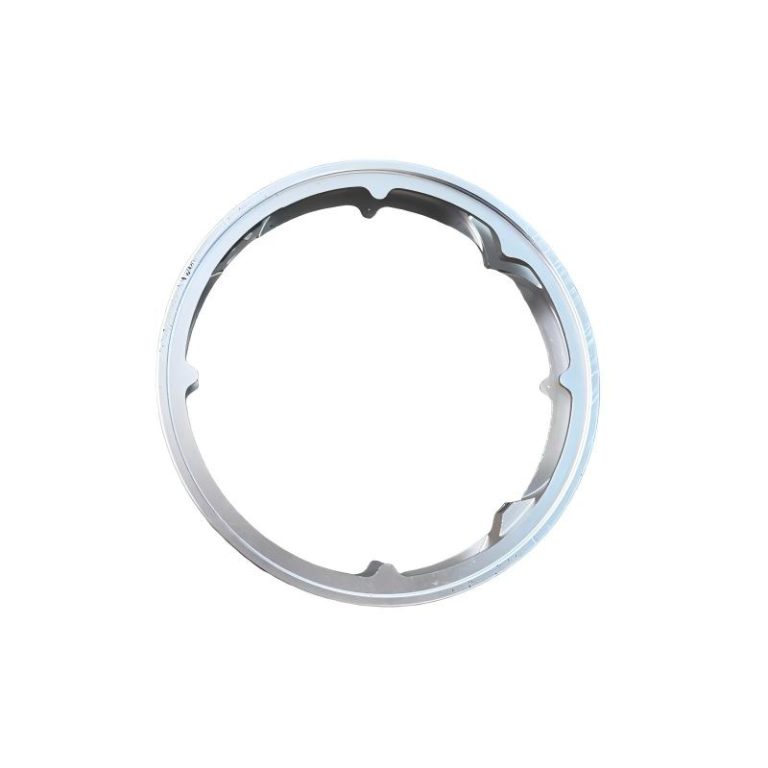
For easily deformable workpieces such as thin-walled aluminum parts, thin-plate aluminum parts, and precision cavities, the machining accuracy is stable, the finished product has high flatness, and it is not prone to deformation or loosening during long-term use. Product stability far exceeds that of ordinary machining processes.
V. High Machining Flexibility, Adaptable to Multi-Category Customized Production
Based on a programmable machining mode, the CNC machining center offers extremely high production flexibility, perfectly adapting to the characteristics of multi-variety, small-batch, and non-standard customized aluminum parts production.
No changes to the equipment structure are required; simply changing the machining program allows for rapid switching to process aluminum parts of different specifications and structures, quickly completing changeover and debugging.
It can meet the mass production needs of standard aluminum parts and also undertake the customized machining of various irregularly shaped and non-standard precision aluminum parts, greatly reducing changeover costs for enterprises and adapting to the aluminum parts processing needs of multiple industries such as hardware, automation, new energy, auto parts, and aerospace parts.
VI. Wide Process Adaptability and Strong Surface Treatment Compatibility
Aluminum parts machined by CNC machining centers have regular structures, uniform surfaces, and no machining defects. They are perfectly compatible with various surface treatment processes, exhibiting extremely high processing compatibility.
The machined aluminum parts can be directly subjected to processes such as anodizing, sandblasting, wire drawing, spraying, electroplating, and passivation. After treatment, the surface has uniform color and strong adhesion, without peeling, color difference, or defects. This simultaneously meets the functional and aesthetic requirements of the workpiece, making it widely applicable in various high-end precision equipment scenarios.
FAQ
Q1: Where can I get product & price information?
A1: Send us an inquiry e-mail, we will contact you once we received your mail.
Q2: How long will I get the sample?
A2: Depends on your specific items, within 3-7 days generally.
Q3: What kinds of information do you need for a quote?
A3: Kindly please provide the product drawings in PDF, if provide in STEP or IGS will be better.
Q4: What are the payment terms?
A4: We accept 50% as a payment deposit, when the goods are prepared, we shoot photos or videos for your check, and then you can pay the balance. For small quantities, we accept Paypal, the commission will be added to the order. For big amounts, T/T is preferred.
Q5: How to deliver the goods?
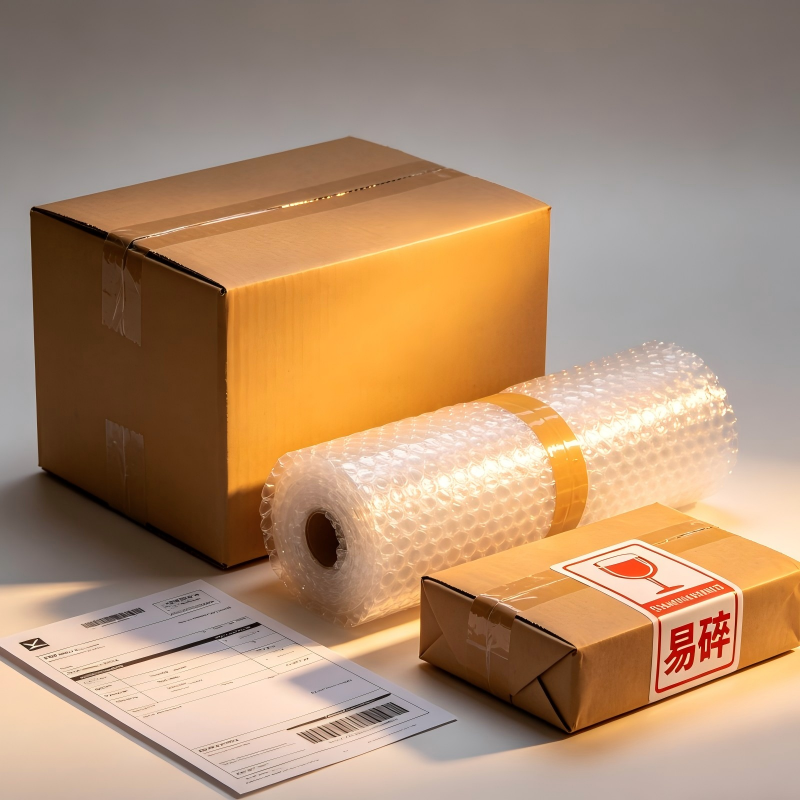
A5: We deliver the products by courier company.
Q6: Are you a trading company or factory?
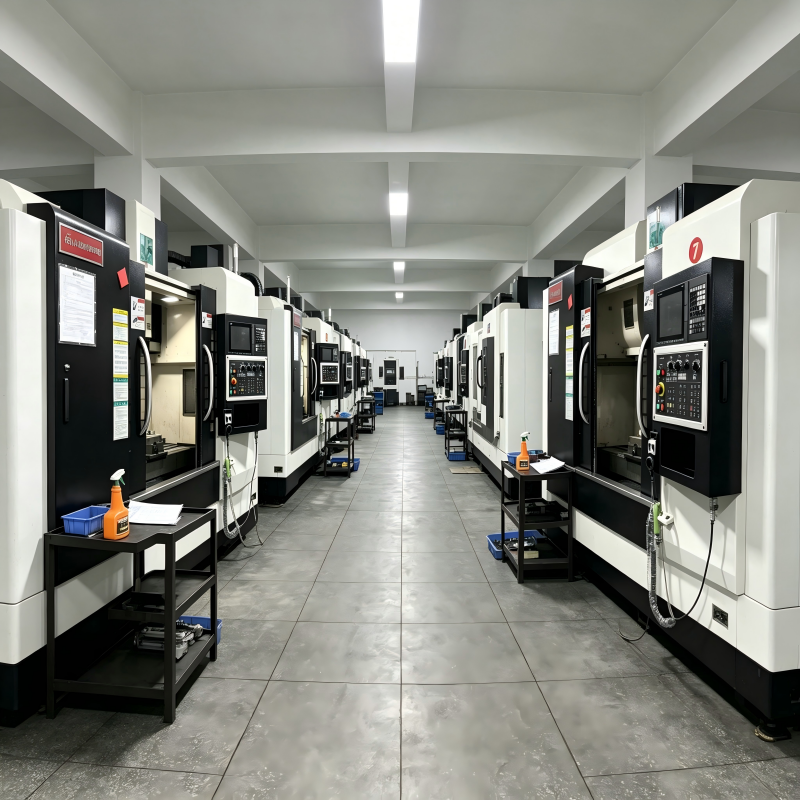
A6: We are factory direct with 17 experienced engineers and more than 50 employees as well approximate 3,000m2 workshop area.
Q7: What shall we do if we don't have drawings?
A7: Please send your sample to our factory, then we can copy and provide you better solutions. If send us pictures or drafts with dimensions(Length, Height, Width), CAD or 3D file will be made for you.
Q8: Can we get some samples before mass production?
A8: Absolutely yes.
Q9: Will my drawings be safe after sending them to you?
Q10: Is it possible to know the operation status of my products without visiting your company?
A10: We will offer a detailed production schedule and send weekly reports with digital pictures and videos which show the machining progress.