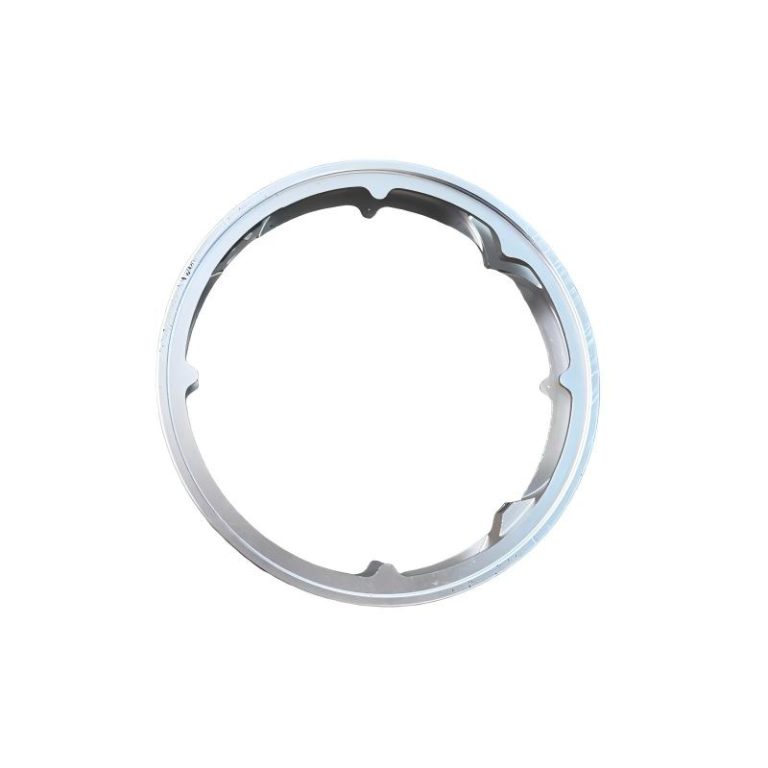
Industrial Ratchets: A Core Solution for High-Efficiency Transmission and Precision Locking
We are a manufacturer integrating industry and trade, with many years of production technology experience. Our company is located in Dongguan City, Guangdong Province, China. We possess advanced high-end professional production and processing technology and are committed to innovative research and development and production.
In complex industrial mechanical systems, transmission efficiency and secure locking are often two core challenges faced by designers. As a crucial component of basic mechanical parts, ratchet mechanisms are widely used in automated production lines, heavy-duty lifting, logistics transportation, and even aerospace fields due to their unidirectional intermittent motion, compact structure, and high reliability. This article will delve into the technical principles, key selection indicators, and typical application scenarios of industrial ratchet mechanisms.
I. What is an Industrial Ratchet?
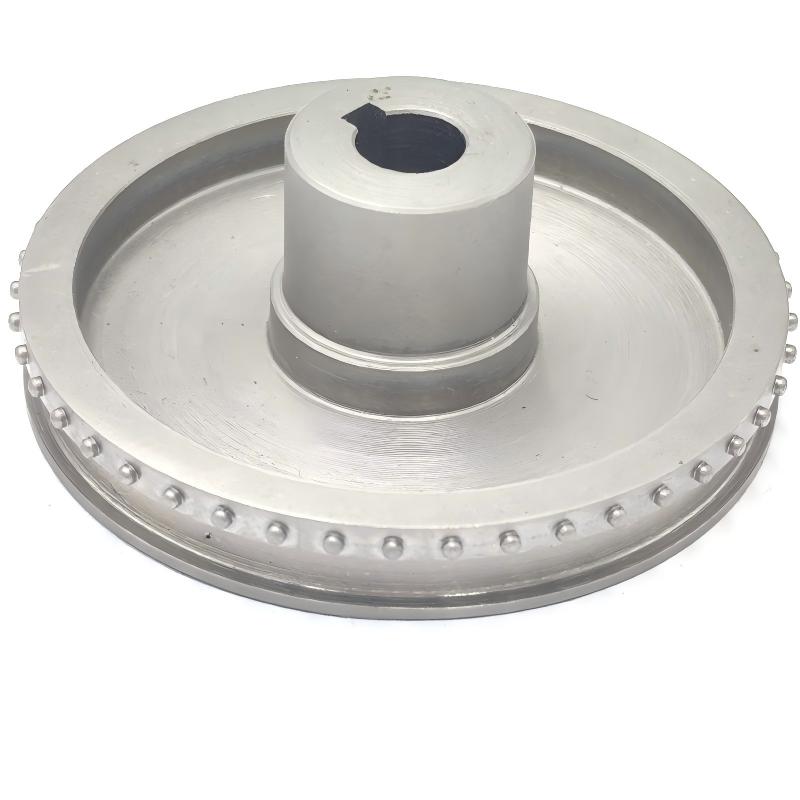
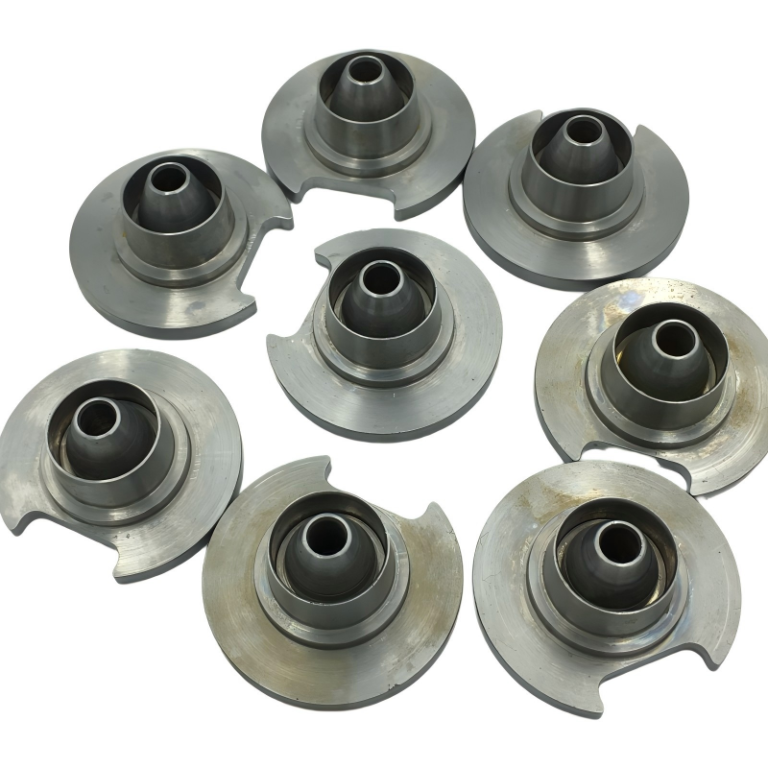
An industrial ratchet is a mechanical mechanism that converts continuous rotary motion into unidirectional stepping motion or achieves strict reverse locking. A standard industrial ratchet typically consists of four parts: a ratchet wheel with asymmetrical teeth, a pawl, a spring, and a shaft system.
II. Core Working Principle:
When the driving lever swings counterclockwise, the pawl engages in the teeth of the ratchet, causing the ratchet to rotate synchronously; when the lever swings clockwise, the pawl slides across the back of the teeth, and the ratchet remains stationary.
Industrial Ratchets: A Core Solution for High-Efficiency Transmission and Precision Locking
Absolute Stepping Accuracy: No risk of hydraulic oil leakage or friction plate slippage; angular error depends solely on tooth pitch machining accuracy (typically ±0.5°).
Reliable Backstop Self-Locking: In lifting machinery such as winches and elevators, the ratchet mechanism locks instantly upon loss of driving force, preventing heavy objects from falling, meeting ISO 14122 safety standards.
High Impact Load Resistance: Industrial ratchet mechanisms made of 40Cr or 20CrMnTi carburized steel have a tooth surface hardness of HRC 58-62, capable of withstanding frequent forward and reverse impacts.
IV. Typical Industrial Ratchets Application Scenarios
Ratchet mechanisms are not standard off-the-shelf products but rather customized components highly dependent on the overall machine design. The following are mature application solutions in five major industrial sectors:
1. Lifting and Material Handling
In manual or electric winches and aerial work platforms, the ratchet acts as a two-way overrunning clutch or anti-reverse device. When the motor stops or the shaft breaks, the ratchet immediately engages, preventing the drum from reversing.
2. Automated Production Lines
In packaging machinery and electronic assembly lines, ratchet mechanisms are used in conjunction with cylinders or indexing motors on intermittent rotary tables to achieve precise indexing.
3. Agricultural Machinery
At the clutch handle of the rear power take-off shaft of a tractor, a ratchet mechanism is used to lock different gear positions and prevent disengagement due to vibration.
V. Why Choose Our Ratchet Solution?
Ganyuan has been deeply involved in the precision transmission field for many years, providing a full range of customized services from GB/T 10431 standard ratchet to non-standard ultra-high torque ratchets.
Fast Delivery: Equipped with gear grinding machines, achieving precision up to DIN 5 grade, with sample lead time of 7-15 days.
Warranty Commitment: Core moving parts are guaranteed for multiple months, and third-party metallographic testing reports are provided.
Product Packaging
Packaging Details
Commercial packaging: 1pc/plastic bag + color box +carton + pallet;
Industrial packaging: (1). plastic tube + carton + pallet; (2). plastic bag + kraft paper + carton + pallet;
According to the requirement of customer.
FAQ
Q1: Where can I get product & price information?
A1: Send us an inquiry e-mail, we will contact you once we received your mail.
Q2: How long will I get the sample?
A2: Depends on your specific items, within 3-7 days generally.
Q3: What kinds of information do you need for a quote?
A3: Kindly please provide the product drawings in PDF, if provide in STEP or IGS will be better.
Q4: What are the payment terms?
A4: We accept 50% as a payment deposit, when the goods are prepared, we shoot photos or videos for your check, and then you can pay the balance. For small quantities, we accept Paypal, the commission will be added to the order. For big amounts, T/T is preferred.
Q5: How to deliver the goods?
A5: We deliver the products by courier company.
Q6: Are you a trading company or factory?
A6: We are factory direct with 17 experienced engineers and more than 50 employees as well approximate 3,000m2 workshop area.
Q7: What shall we do if we don't have drawings?
A7: Please send your sample to our factory, then we can copy and provide you better solutions. If send us pictures or drafts with dimensions(Length, Height, Width), CAD or 3D file will be made for you.
Q8: Can we get some samples before mass production?
A8: Absolutely yes.
Q9: Will my drawings be safe after sending them to you?
Q10: Is it possible to know the operation status of my products without visiting your company?
A10: We will offer a detailed production schedule and send weekly reports with digital pictures and videos which show the machining progress.